Claude Debussy
La flûte de Pan, L. 90/1
Released Album
Recent Album
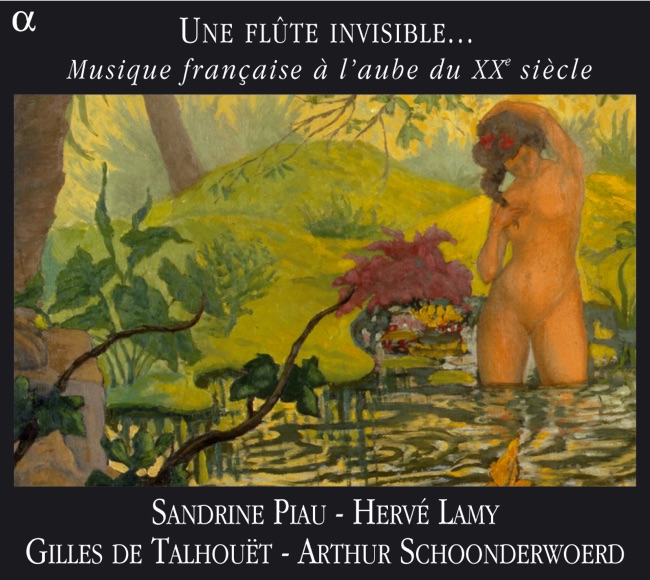
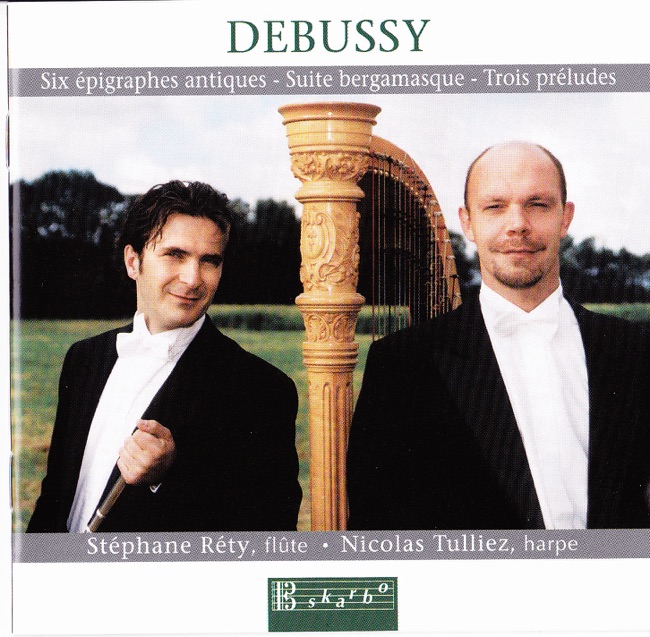
Featured Album
Works Info
Composer:Claude DebussyGenre:VocalStyle:Song: Art SongCompose Date:1897Average_duration:2:43La flûte de Pan, L. 90/1 is a solo flute piece composed by Claude Debussy in 1913. It was premiered on December 2, 1913, by Georges Barrère at the Société Nationale de Musique in Paris. The piece is divided into three movements: Pastorale, Interlude, and Finale. The first movement, Pastorale, is characterized by its gentle and pastoral melody, which is reminiscent of the countryside. The second movement, Interlude, is more mysterious and atmospheric, with the flute playing long, sustained notes that create a sense of tension and anticipation. The final movement, Finale, is lively and energetic, with the flute playing fast, virtuosic runs that showcase the performer's technical skill. One of the most notable characteristics of La flûte de Pan is its use of impressionistic techniques. Debussy was known for his innovative approach to harmony and melody, and this piece is no exception. The music is full of unexpected chord progressions and unconventional harmonies, which create a dreamlike, ethereal atmosphere. Another notable characteristic of the piece is its use of extended techniques. Debussy was one of the first composers to explore the full range of sounds that the flute is capable of producing, and La flûte de Pan is a prime example of this. The piece includes flutter-tonguing, glissandos, and other techniques that push the boundaries of what was traditionally considered acceptable in classical music. Overall, La flûte de Pan is a beautiful and innovative piece of music that showcases Debussy's unique style and his mastery of the flute. Its impressionistic harmonies and extended techniques make it a challenging and rewarding piece for performers, and its pastoral melodies and dreamlike atmosphere make it a favorite among audiences.More....