Gao Ping
12-Hour Bridge
Released Album
Recent Album

Works Info
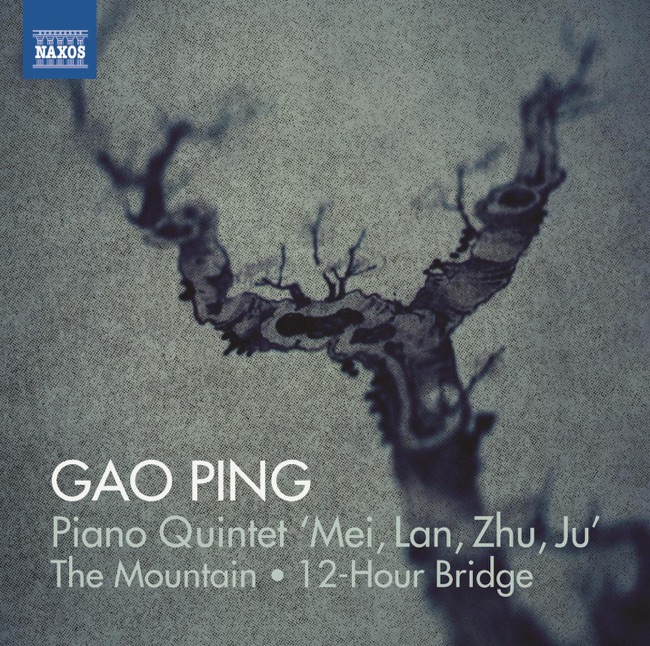
Composer:Gao PingGenre:ChamberAverage_duration:9:37'12-Hour Bridge' is a contemporary classical composition by Chinese composer Gao Ping. The piece was composed in 2013 and premiered on September 28, 2013, at the Beijing Modern Music Festival. The composition is divided into twelve movements, each representing an hour of the day. The movements are titled as follows: 1. Midnight 2. The First Hour 3. The Second Hour 4. The Third Hour 5. The Fourth Hour 6. The Fifth Hour 7. The Sixth Hour 8. The Seventh Hour 9. The Eighth Hour 10. The Ninth Hour 11. The Tenth Hour 12. The Eleventh Hour The piece is scored for piano, violin, and cello, and each movement features a different combination of these instruments. The music is characterized by its use of traditional Chinese melodies and rhythms, which are blended with Western classical music techniques. The first movement, 'Midnight,' sets the tone for the piece with its haunting, ethereal quality. The second movement, 'The First Hour,' is more lively and rhythmic, featuring a driving piano melody. The third movement, 'The Second Hour,' is more introspective, with a mournful violin melody. As the piece progresses, the music becomes more complex and layered. The fourth movement, 'The Third Hour,' features a frenetic piano part that is contrasted with a more subdued cello melody. The fifth movement, 'The Fourth Hour,' is more atmospheric, with the instruments creating a soundscape that evokes the early morning hours. The sixth movement, 'The Fifth Hour,' is one of the most striking in the piece, with its use of dissonant chords and unconventional harmonies. The seventh movement, 'The Sixth Hour,' is more contemplative, with a delicate piano melody that is accompanied by the violin and cello. The eighth movement, 'The Seventh Hour,' is more upbeat, with a lively piano part that is reminiscent of a dance. The ninth movement, 'The Eighth Hour,' is more introspective, with a mournful cello melody that is accompanied by the piano and violin. The tenth movement, 'The Ninth Hour,' is one of the most complex in the piece, with its use of intricate rhythms and unconventional harmonies. The eleventh movement, 'The Tenth Hour,' is more atmospheric, with the instruments creating a soundscape that evokes the late afternoon hours. The final movement, 'The Eleventh Hour,' brings the piece to a close with its haunting, ethereal quality. Overall, '12-Hour Bridge' is a stunning example of contemporary classical music that blends traditional Chinese music with Western classical music techniques.More....
Works Music
Released Music