


Franz Liszt
Consolation No. 4 in D flat major "Quasi adagio", S. 172/4
Released Album
Recent Album

Works Info
Composer:Franz LisztGenre:KeyboardStyle:KeyboardCompose Date:1849 - 1850Publication Date:1850Average_duration:3:36Franz Liszt's 'Consolation No. 4 in D flat major Quasi adagio, S. 172/4' is a solo piano piece that was composed in 1849. It was premiered in the same year in Weimar, Germany. The piece is part of a set of six Consolations that Liszt composed between 1844 and 1849. The 'Consolation No. 4' is a slow and melancholic piece that is characterized by its use of arpeggios and chromaticism. The piece is written in D flat major and is in a quasi adagio tempo, which gives it a mournful and reflective quality. The piece is divided into three sections, with the first and third sections being in D flat major and the middle section being in B major. The first section of the piece begins with a simple melody that is played over a series of arpeggios. The melody is then repeated with variations, and the arpeggios become more complex. The middle section of the piece is more dramatic and intense, with a faster tempo and more dissonant harmonies. The section builds to a climax before returning to the slower tempo and more reflective mood of the first section. The final section of the piece is a variation of the first section, with the melody played in a higher register and with more ornamentation. The piece ends with a series of arpeggios that gradually fade away, leaving a sense of unresolved sadness. Overall, Liszt's 'Consolation No. 4' is a beautiful and haunting piece that showcases his skill as a composer and pianist. Its use of arpeggios and chromaticism creates a sense of melancholy and introspection, making it a popular choice for pianists and audiences alike.More....
Works Music
Released Music
1
4:12
3
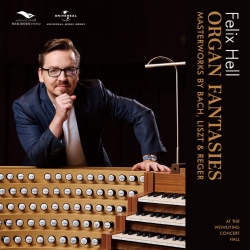
3:50
4
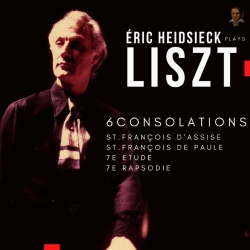
3:8
5
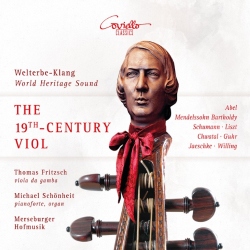
Consolation no. 4 in D flat major "Quasi adagio", p. 172/4
Consolation Nr. 4 Des-Dur für Viola da gamba und Orgel
4:37
6
2:38
9

Consolation no. 4 in D flat major "Quasi adagio", p. 172/4
Consolation No. 4 in D flat (Adagio)
3:23
10

Consolation no. 4 in D flat major "Quasi adagio", p. 172/4
Consolation No. 4 in D flat major, S. 172/4
3:14