Athanasius Kircher
Tarantella, for lute
Released Album
Recent Album
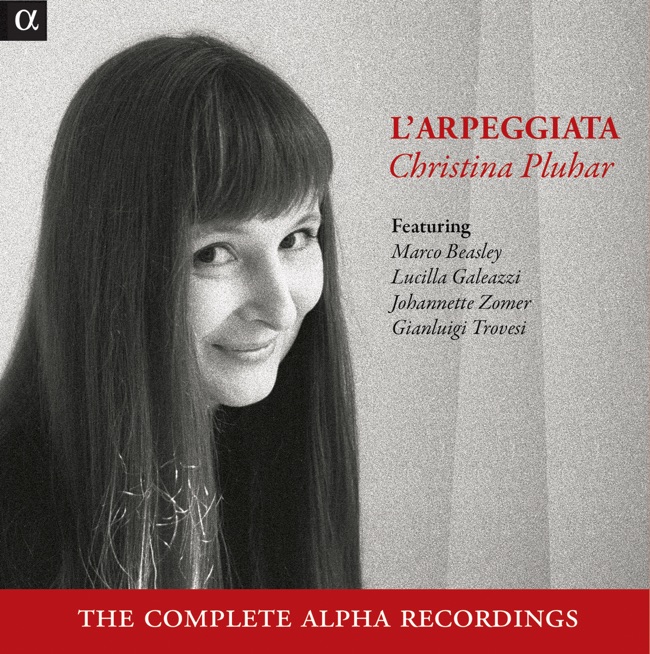
Featured Album
Works Info
Composer:Athanasius KircherGenre:ChamberStyle:Chamber MusicAverage_duration:2:21Athanasius Kircher was a German Jesuit scholar and polymath who lived in the 17th century. He was known for his contributions to various fields, including music, mathematics, and linguistics. One of his notable works in music is the "Tarantella, for lute," which was composed in the mid-17th century. The "Tarantella, for lute" is a solo piece for the lute, a stringed instrument popular during the Renaissance and Baroque periods. It is a lively and energetic dance that was believed to have originated in southern Italy as a cure for the bite of the tarantula spider. The dance was performed by people who believed that the venom of the spider caused a condition called tarantism, which could only be cured by dancing to the rhythm of the tarantella. The composition of Kircher's "Tarantella, for lute" is not well-documented, but it is believed to have been written in the mid-17th century. The piece has three movements, each with its own distinct character and tempo. The first movement is marked "Allegro," which means fast and lively. It is in a major key and features a catchy melody that is repeated throughout the piece. The second movement is marked "Adagio," which means slow and expressive. It is in a minor key and has a more melancholic and introspective character. The third movement is marked "Allegro vivace," which means very fast and lively. It is in a major key and features a virtuosic display of fingerwork and technical skill. The "Tarantella, for lute" is a typical example of Baroque music, characterized by its ornate and elaborate style. It features intricate melodic lines, complex harmonies, and a strong sense of rhythm and pulse. The piece also showcases the lute's unique timbre and tonal qualities, with its rich and resonant sound. Overall, Kircher's "Tarantella, for lute" is a lively and engaging piece of music that captures the spirit of the tarantella dance. It is a testament to Kircher's skill as a composer and his contribution to the development of Baroque music.More....