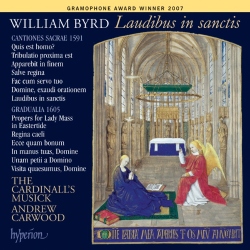
William Byrd
Fac cum servo tuo
Released Album
Recent Album
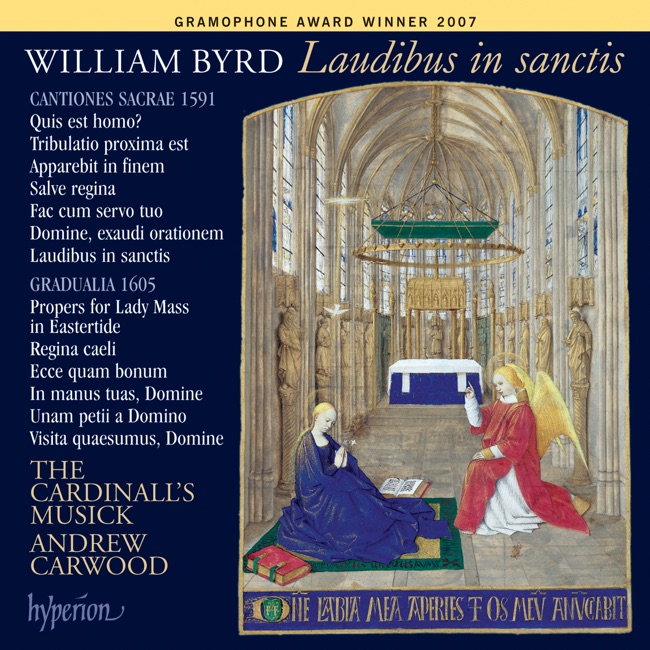
Featured Album
Works Info
Composer:William ByrdGenre:ChoralStyle:MotetAverage_duration:3:55"Fac cum servo tuo" is a sacred motet composed by William Byrd, an English composer of the Renaissance era. The piece was likely composed in the late 1580s or early 1590s, during the reign of Queen Elizabeth I. It was first published in 1605 in Byrd's collection of Gradualia, a series of motets for the liturgical year. The motet is written for four voices (SATB) and is in Latin. It is divided into three movements, each with its own distinct character and mood. The first movement is marked "Allegro" and is in a lively, dance-like rhythm. The second movement is marked "Adagio" and is more contemplative and introspective. The final movement is marked "Allegro" and returns to the lively, dance-like rhythm of the first movement. The text of the motet is taken from Psalm 119:125-128, which reads: "I am thy servant; give me understanding, that I may know thy testimonies. It is time for thee, Lord, to work: for they have made void thy law. Therefore I love thy commandments above gold; yea, above fine gold. Therefore I esteem all thy precepts concerning all things to be right; and I hate every false way." The music of "Fac cum servo tuo" reflects the text's themes of servitude, understanding, and love for God's commandments. The lively rhythms of the first and third movements suggest a joyful and energetic devotion, while the more contemplative second movement reflects a deeper, more introspective spirituality. The use of imitative polyphony, in which the voices echo and imitate each other, creates a sense of unity and harmony among the different parts. Overall, "Fac cum servo tuo" is a beautiful example of Byrd's skill as a composer of sacred music. Its combination of lively rhythms, contemplative melodies, and rich harmonies make it a powerful expression of devotion and faith.More....
Works Music