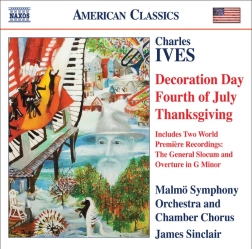
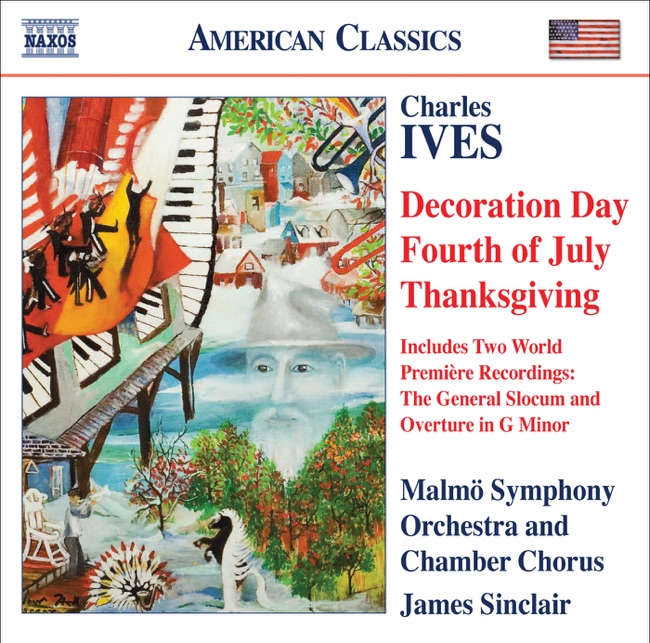
Charles Ives
Postlude in F, S. 41
Released Album
Recent Album
-
-
 Westwood High School Symphony OrchestraJanuary 29, 2013
 -
-

Works Info
Composer:Charles IvesGenre:OrchestralStyle:PostludeCompose Date:1896 - 1897Publication Date:1991First Performance:Jun 6, 1971Average_duration:4:48Charles Ives was an American composer who was known for his experimental and innovative approach to music. One of his most famous works is the "Postlude in F, S. 41," which was composed in 1900. The piece was premiered in 1901 at the First Congregational Church in Danbury, Connecticut. The "Postlude in F, S. 41" is a short piece that consists of a single movement. It is written for organ and is characterized by its use of dissonance and unconventional harmonies. The piece begins with a slow and somber introduction that gradually builds in intensity. The middle section of the piece is more lively and features a faster tempo and more complex rhythms. The final section of the piece returns to the slower tempo of the opening and ends with a quiet and contemplative coda. One of the most notable characteristics of the "Postlude in F, S. 41" is its use of dissonance. Ives was known for his use of unconventional harmonies and his willingness to experiment with different musical ideas. In this piece, he uses dissonant chords and unexpected harmonic progressions to create a sense of tension and unease. The piece also features a number of rhythmic and melodic motifs that are repeated throughout the work, giving it a sense of unity and coherence. Overall, the "Postlude in F, S. 41" is a powerful and evocative work that showcases Ives' unique musical style. Its use of dissonance and unconventional harmonies make it a challenging piece for performers and listeners alike, but its emotional depth and complexity make it a rewarding experience for those who are willing to engage with it.More....
Works Music
Released Music
2

5:5