Tobias Hume
Good againe
Released Album
Recent Album


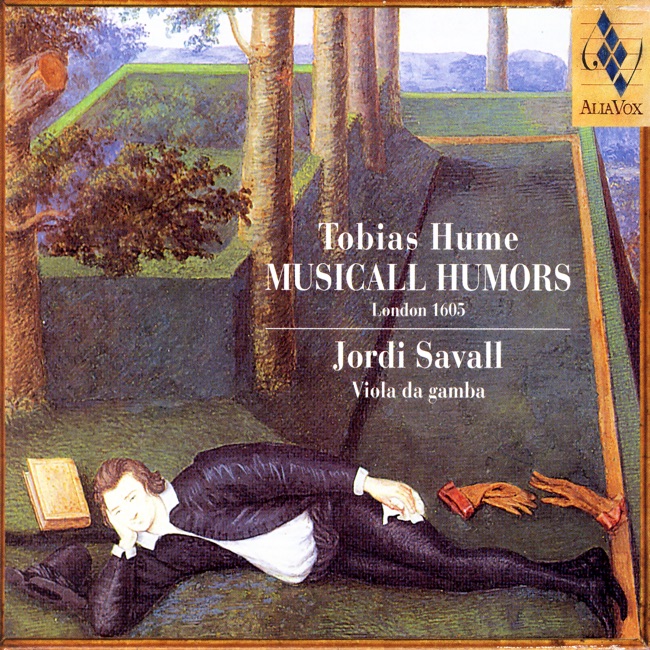
Featured Album
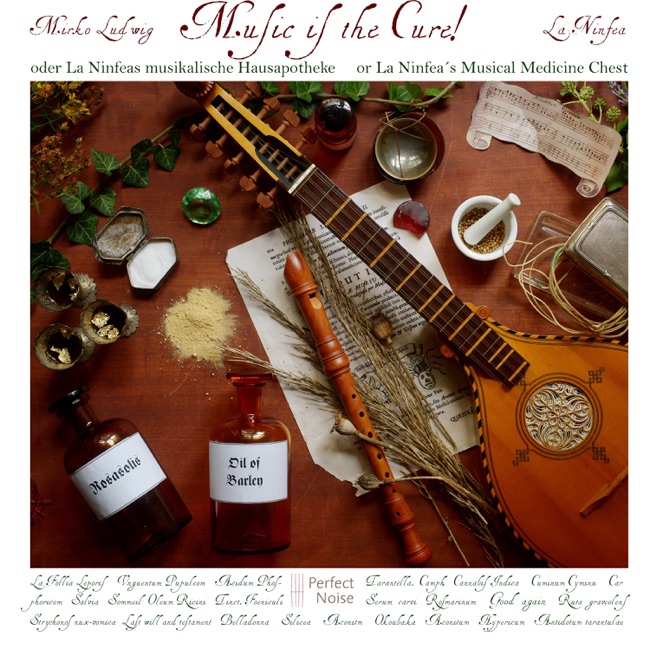
Works Info
Composer:Tobias HumeGenre:MiscellaneousStyle:MiscellaneousAverage_duration:5:05'Good againe' is a composition by Tobias Hume, a prominent English composer and viol player of the early 17th century. The piece was likely composed in the early 1600s and was first published in Hume's collection of music, "The First Part of Ayres" in 1605. 'Good againe' is a solo piece for viol, consisting of three movements. The first movement is a prelude, marked by a slow and melancholic melody that sets the tone for the piece. The second movement is a lively dance, characterized by a fast and rhythmic melody that showcases Hume's skill as a composer and performer. The final movement is a slow and reflective piece, marked by a haunting melody that brings the piece to a close. One of the defining characteristics of 'Good againe' is its use of the viol, a stringed instrument that was popular in Renaissance and Baroque music. Hume was known for his skill as a viol player, and his compositions often showcase the instrument's unique sound and range. Another characteristic of 'Good againe' is its use of dissonance and chromaticism. Hume was known for his experimental approach to composition, and his music often features unexpected harmonies and unconventional chord progressions. This can be heard in 'Good againe', particularly in the second movement, where the melody shifts between major and minor keys. Overall, 'Good againe' is a beautiful and complex piece of music that showcases Hume's skill as a composer and performer. Its use of the viol and experimental harmonies make it a unique and memorable work in the early Baroque repertoire.More....
Works Music
Released Music


Featured Music