


Carl Philipp Emanuel Bach
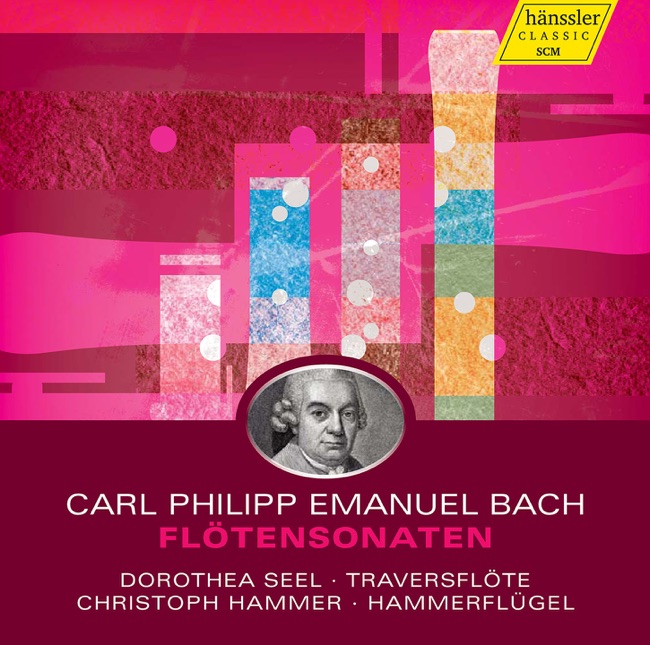
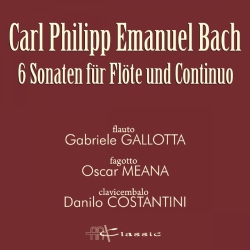
Sonata for flute & continuo in D major, H. 553, Wq. 126
Released Album
Recent Album
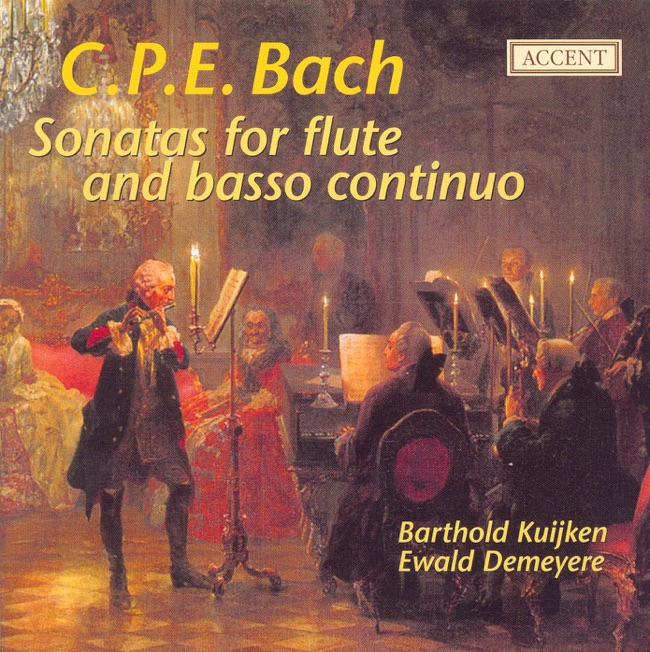
Featured Album
Works Info
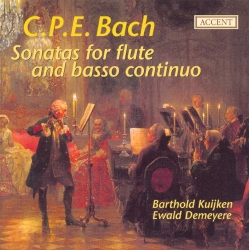
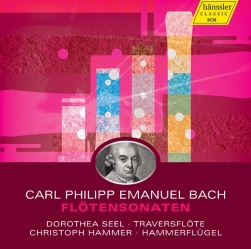
Composer:Carl Philipp Emanuel BachGenre:ChamberStyle:SonataCompose Date:1738Publication Date:1958Average_duration:11:12Movement_count:3Movement ....The Sonata for flute & continuo in D major, H. 553, Wq. 126, was composed by Carl Philipp Emanuel Bach in 1747. It premiered in Berlin, where Bach was working as a court musician for Frederick the Great. The sonata is comprised of three movements: Allegro, Adagio, and Allegro. The first movement, Allegro, is in sonata form and begins with a lively and energetic theme played by the flute. The continuo provides a steady bass line and harmonic support throughout the movement. The development section explores various themes and keys before returning to the original theme in the recapitulation. The second movement, Adagio, is a slow and expressive aria-like piece. The flute plays a lyrical melody over a simple and elegant accompaniment provided by the continuo. The movement is characterized by its expressive and emotional qualities. The final movement, Allegro, is a lively and playful piece that features a virtuosic flute part. The continuo provides a lively and rhythmic accompaniment that supports the flute's intricate and fast-paced runs. The movement ends with a lively and energetic coda. Overall, the Sonata for flute & continuo in D major, H. 553, Wq. 126, is a prime example of Bach's unique style, which combines elements of the Baroque and Classical periods. The sonata is characterized by its expressive melodies, virtuosic flute part, and elegant accompaniment provided by the continuo. It remains a popular piece in the flute repertoire to this day.More....
Works Music
Released Music
1
3:20
2
9:15
3
3:5
4
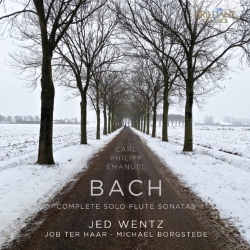
3:5
5
3:43
6
3:43
7
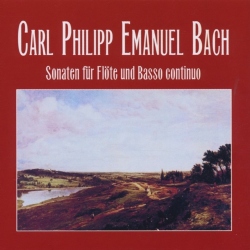
3:21
8
2:48
Featured Music
1
2:32
2
2:31