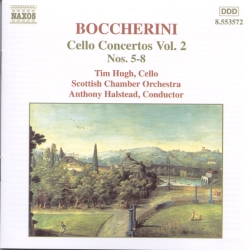
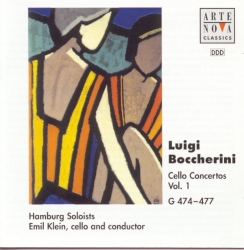
Luigi Boccherini
Cello Concerto in E flat major, G. 474
Released Album
Recent Album
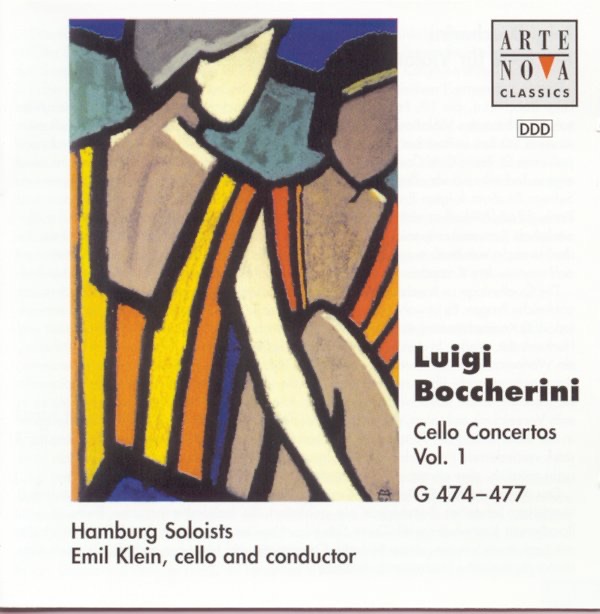
Works Info
Composer:Luigi BoccheriniGenre:ConcertoStyle:ConcertoAverage_duration:19:00Movement_count:3Movement ....Luigi Boccherini's 'Cello Concerto in E flat major, G. 474' is a masterpiece of the classical era. It was composed in the late 18th century, around 1780, and premiered in Madrid, Spain. The concerto is divided into three movements, each with its own unique characteristics. The first movement, marked Allegro moderato, begins with a majestic orchestral introduction, followed by the solo cello's entrance. The cello's melody is lyrical and expressive, with virtuosic passages that showcase the instrument's range and agility. The orchestra provides a rich and colorful accompaniment, with lush harmonies and rhythmic drive. The movement ends with a cadenza, a solo passage for the cello, which displays the performer's technical prowess. The second movement, marked Adagio non troppo, is a beautiful and serene aria for the cello. The melody is simple and elegant, with a gentle accompaniment from the orchestra. The cello's tone is warm and expressive, with long, singing phrases that evoke a sense of melancholy and nostalgia. The movement ends with a brief coda, which brings the music to a peaceful close. The third movement, marked Rondo: Allegro, is a lively and energetic dance. The cello's melody is playful and virtuosic, with rapid-fire runs and arpeggios that demand great skill from the performer. The orchestra provides a lively and rhythmic accompaniment, with syncopated rhythms and colorful harmonies. The movement ends with a brilliant coda, which brings the concerto to a thrilling conclusion. Overall, Boccherini's 'Cello Concerto in E flat major, G. 474' is a masterpiece of the classical era. It showcases the cello's expressive range and virtuosic capabilities, while also providing a rich and colorful orchestral accompaniment. The concerto's three movements each have their own unique characteristics, from the majestic opening to the serene second movement and the lively dance of the finale. It remains a beloved work in the cello repertoire, and a testament to Boccherini's skill as a composer.More....
Works Music
Released Music
3
7:47
5
7:39