


Feodor Feodorovich Koenemann
When the King Went Forth To War, Op. 7/6
Released Album
Recent Album

Works Info
Composer:Feodor Feodorovich KoenemannGenre:VocalStyle:Vocal MusicAverage_duration:4:10"When the King Went Forth To War, Op. 7/6" is a choral work composed by Feodor Feodorovich Koenemann. The piece was composed in the late 19th century and premiered in 1892. It is a part of a larger collection of choral works called "Six Choruses for Male Voices, Op. 7." The piece is divided into three movements, each with its own distinct characteristics. The first movement is marked "Allegro moderato" and is in a minor key. It begins with a solo voice singing the opening line, "When the king went forth to war." The choir then joins in, singing in unison. The melody is simple and repetitive, with the choir singing the same phrase several times before moving on to the next. The movement builds in intensity, with the choir singing louder and faster as the king's army marches off to war. The second movement is marked "Andante" and is in a major key. It begins with a solo voice singing the line, "And the queen sat in her bower." The choir then joins in, singing a gentle melody that contrasts with the previous movement. The melody is more complex, with the choir singing in harmony and the solo voice weaving in and out. The movement is more introspective, with the queen reflecting on the king's departure and the uncertainty of war. The third movement is marked "Allegro" and is in a major key. It begins with the choir singing the line, "And the king came back from war." The melody is triumphant, with the choir singing in harmony and the tempo increasing. The movement is more complex than the first, with the choir singing in counterpoint and the melody shifting between different voices. The movement builds to a climax, with the choir singing louder and faster as the king returns victorious from war. Overall, "When the King Went Forth To War, Op. 7/6" is a powerful choral work that captures the emotions of war and victory. The simple melodies and repetitive phrases of the first movement contrast with the more complex harmonies and introspective lyrics of the second movement. The triumphant melody of the third movement brings the piece to a satisfying conclusion.More....
Works Music
Released Music

3
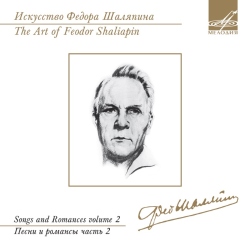
3:58
4
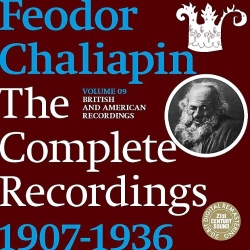
3:52
5
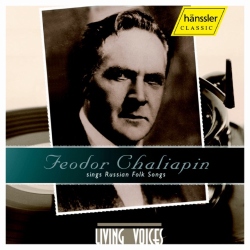
3:52
6
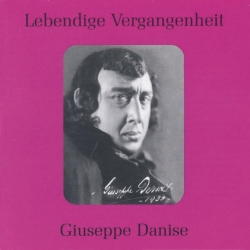
3:34
7
4:7
8
3:23