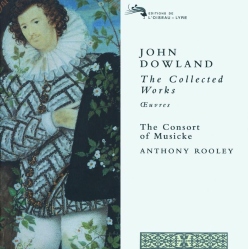
John Dowland
Far from the triumphing court
Released Album
Recent Album
Featured Album
Works Info
Composer:John DowlandGenre:VocalStyle:Song: Lute SongCompose Date:1610Publication Date:1610Average_duration:5:26'Far from the triumphing court' is a lute song composed by John Dowland, a prominent English Renaissance composer and lutenist. The song was composed in the early 17th century, during the reign of King James I, and was first published in Dowland's collection of lute songs, 'The Third and Last Booke of Songs or Aires' in 1603. The song is in the key of G minor and consists of four verses, each with a refrain. The melody is simple and melancholic, with a slow and mournful tempo that reflects the song's theme of separation and longing. The lyrics describe the speaker's feelings of isolation and sadness as he is separated from his loved one and forced to live far from the court and its festivities. The first verse sets the tone for the song, with the speaker lamenting his distance from the court and the joys of courtly life. The refrain, "Far from triumphing court and proud array," emphasizes the speaker's sense of isolation and longing. The second verse describes the speaker's physical surroundings, which are bleak and desolate compared to the splendor of the court. The refrain, "Far from the joy and happy bliss of May," highlights the contrast between the speaker's current state and the joyousness of springtime. The third verse focuses on the speaker's emotional state, as he struggles with his feelings of sadness and despair. The refrain, "Far from the comfort of my weary sprite," emphasizes the speaker's sense of loneliness and isolation. The final verse offers a glimmer of hope, as the speaker expresses his faith that he will one day be reunited with his loved one. The refrain, "Far from my hopes, far from my heart's delight," underscores the speaker's longing and desire for reunion. Overall, 'Far from the triumphing court' is a poignant and melancholic song that captures the sense of isolation and longing that was common among courtiers and aristocrats during the Renaissance period. Dowland's simple yet expressive melody and the song's evocative lyrics make it a timeless classic of English Renaissance music.More....
Works Music
Released Music

Featured Music