Charles Avison
Concerto No. 6 in D Major, Op. 6/6
Released Album
Recent Album
Works Info
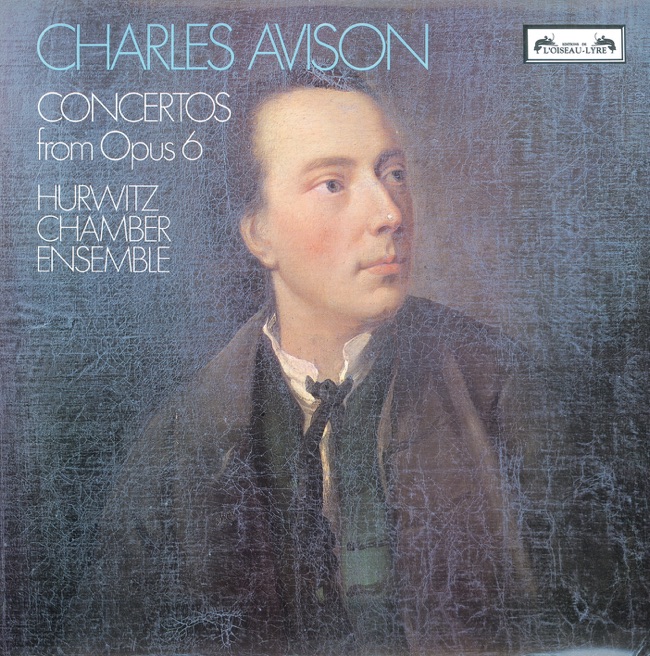
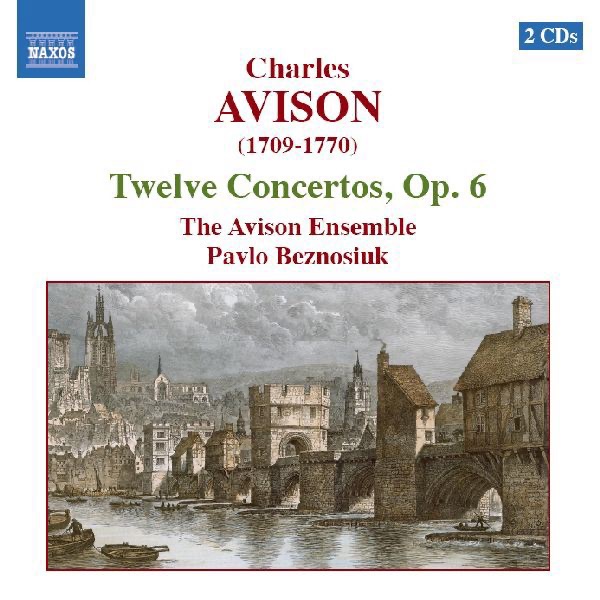
Composer:Charles AvisonGenre:ConcertoStyle:Concerto GrossoCharles Avison was an English composer and organist who lived from 1709 to 1770. He was known for his contributions to the development of the concerto grosso, a form of baroque music that features a small group of soloists (the concertino) accompanied by a larger ensemble (the ripieno). One of his most famous works in this genre is the Concerto No. 6 in D Major, Op. 6/6. This concerto was composed in the mid-18th century and premiered in Newcastle upon Tyne, England in 1758. It is part of a set of twelve concertos that Avison published as his Opus 6. Each concerto in the set is based on a sonata by the Italian composer Domenico Scarlatti, but Avison added his own harmonies, counterpoint, and orchestration to create a unique work. The Concerto No. 6 in D Major has three movements: a fast and lively Allegro, a slow and expressive Largo, and a dance-like Allegro. The first movement features the concertino (two violins and a cello) playing a lively melody that is echoed and developed by the ripieno (string orchestra). The second movement is a beautiful and melancholy aria for the solo violin, accompanied by the ripieno. The final movement is a lively dance in triple meter, with the concertino and ripieno trading off melodies and rhythms. One of the characteristics of Avison's music is his use of counterpoint, or the interweaving of multiple melodies. This is especially evident in the first movement of the concerto, where the concertino and ripieno play off each other in a complex and intricate dialogue. Avison also uses a variety of textures and timbres to create a rich and varied sound, from the delicate solo violin in the second movement to the full and vibrant string orchestra in the third. Overall, the Concerto No. 6 in D Major is a beautiful and engaging work that showcases Avison's skill as a composer and his contribution to the development of the concerto grosso. Its combination of lively dance rhythms, expressive melodies, and intricate counterpoint make it a classic example of baroque music.More....