


Anton Rubinstein
Sonata for violin & piano No. 2 in A minor, Op. 19
Released Album
Recent Album


Works Info
Composer:Anton RubinsteinGenre:ChamberCompose Date:1853Publication Date:1858First Performance:1853Average_duration:36:37Anton Rubinstein's Sonata for violin & piano No. 2 in A minor, Op. 19 was composed in 1855 and premiered in St. Petersburg, Russia in the same year. The sonata is divided into four movements: Allegro moderato, Scherzo, Andante, and Allegro moderato. The first movement, Allegro moderato, begins with a dramatic and intense violin solo, followed by the piano's entrance with a powerful chord progression. The movement is characterized by its use of contrasting themes and dynamic shifts, creating a sense of tension and release throughout. The second movement, Scherzo, is a lively and playful dance in 3/4 time. The violin and piano take turns leading the melody, with the piano providing a rhythmic accompaniment. The movement is marked by its use of syncopation and sudden changes in dynamics. The third movement, Andante, is a lyrical and expressive adagio. The violin takes the lead with a beautiful and melancholic melody, while the piano provides a delicate and supportive accompaniment. The movement is characterized by its use of chromaticism and expressive phrasing. The final movement, Allegro moderato, is a lively and energetic finale. The violin and piano engage in a playful dialogue, with both instruments taking turns leading the melody. The movement is marked by its use of virtuosic passages and rapid scale runs, showcasing the technical abilities of both the violinist and pianist. Overall, Rubinstein's Sonata for violin & piano No. 2 in A minor, Op. 19 is a dynamic and expressive work, showcasing the composer's skill in creating contrasting themes and dynamic shifts. The sonata is a staple of the violin and piano repertoire and remains a popular work to this day.More....
Works Music
Released Music
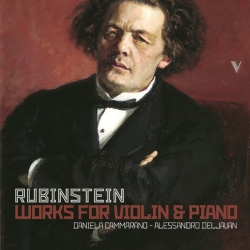
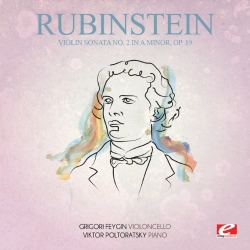
5
10:3
6

10:3

Main Perform Artists
Primary Artist
Violin
Primary Artist
Piano