Francisco Guerrero
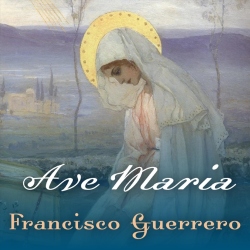
Ave Maria, motet for 4 voices
Released Album
Recent Album


Works Info
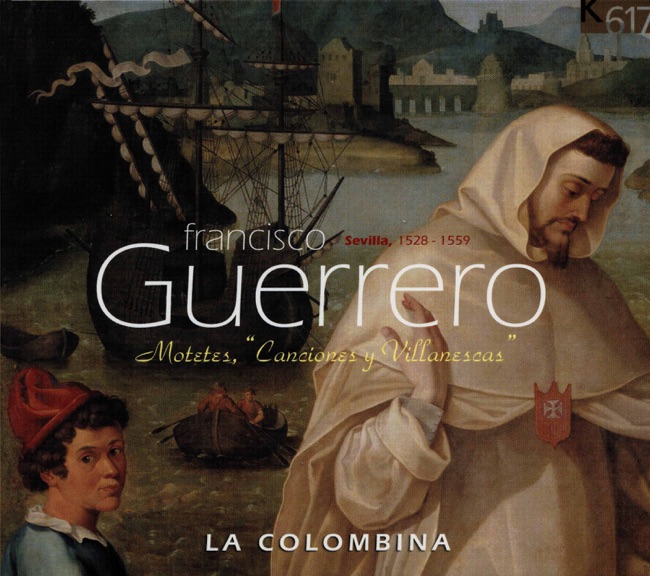
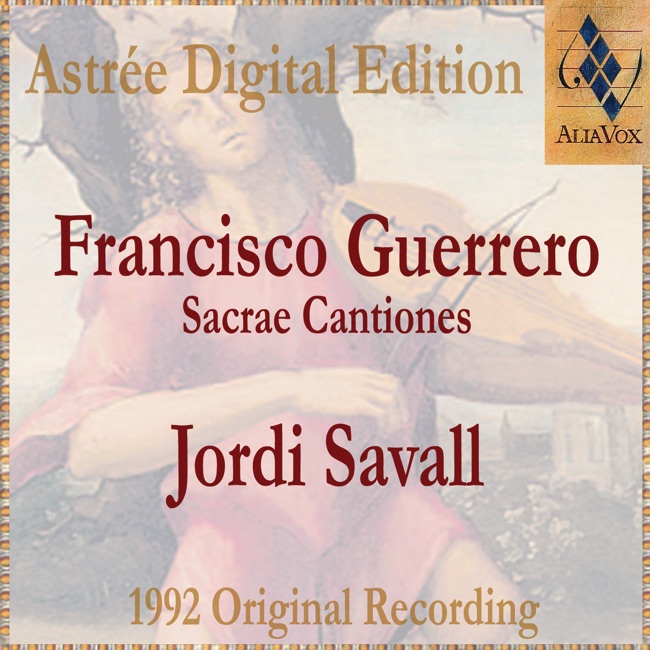
Composer:Francisco GuerreroGenre:ChoralStyle:ChoralAverage_duration:4:46'Ave Maria, motet for 4 voices' is a sacred choral composition by Francisco Guerrero, a Spanish composer of the Renaissance period. The piece was composed in the late 16th century, around 1570, and was premiered in the Royal Chapel of Granada, Spain. The motet is written for four voices, with the soprano, alto, tenor, and bass parts each carrying their own melodic line. The piece is characterized by its rich harmonies, intricate counterpoint, and expressive use of dissonance. The text of the motet is the traditional Latin prayer 'Ave Maria', which is a hymn to the Virgin Mary. The motet is divided into three movements, each with its own distinct character. The first movement begins with a solemn and reverent introduction, with the four voices singing in unison. The texture then becomes more complex, with the voices weaving in and out of each other in a series of intricate imitative passages. The movement ends with a return to the opening material, with the voices once again singing in unison. The second movement is more lively and rhythmic, with the voices dancing around each other in a playful and joyful manner. The harmonies are more adventurous in this section, with the voices frequently moving in unexpected directions. The movement ends with a triumphant cadence, as the voices come together in a final burst of energy. The final movement is the most introspective and contemplative of the three. The harmonies are more subdued, and the voices sing in a more restrained and meditative manner. The movement builds to a climax, with the voices gradually becoming more intense and passionate. The piece ends with a final chord that is both peaceful and uplifting. Overall, 'Ave Maria, motet for 4 voices' is a masterful example of Renaissance choral music. Guerrero's use of rich harmonies, intricate counterpoint, and expressive dissonance create a powerful and moving work that is still performed and admired today.More....