


William Byrd
Sermone blando a 4, for instrumental consort, No. 2
Released Album
Recent Album
Works Info
Composer:William ByrdGenre:ChamberStyle:Chamber MusicAverage_duration:2:29'Sermone blando a 4, for instrumental consort, No. 2' is a composition by the English composer William Byrd. It was composed in the late 16th century, during the Renaissance period. The exact date of composition is not known, but it is believed to have been written around 1580. The piece is written for a four-part instrumental consort, consisting of two treble instruments, a tenor instrument, and a bass instrument. The specific instruments that Byrd had in mind when he composed the piece are not known, but it is likely that he intended it to be played on a combination of viols, recorders, and other instruments commonly used in consort music of the time. 'Sermone blando a 4' is divided into four movements, each with its own distinct character and mood. The first movement is marked "Allegro" and is lively and energetic, with a driving rhythm and lively interplay between the four instruments. The second movement is marked "Adagio" and is slower and more contemplative, with a more lyrical melody and a more subdued mood. The third movement is marked "Allegro" and is similar in character to the first movement, with a lively and energetic rhythm and a playful interplay between the instruments. The final movement is marked "Adagio" and is slower and more contemplative than the previous movements, with a more introspective and meditative character. Overall, 'Sermone blando a 4' is a typical example of the instrumental consort music that was popular in England during the Renaissance period. It showcases Byrd's skill as a composer and his ability to create music that is both technically challenging and musically engaging. The piece is notable for its lively rhythms, playful interplay between the instruments, and its overall sense of energy and vitality.More....
Works Music
Released Music
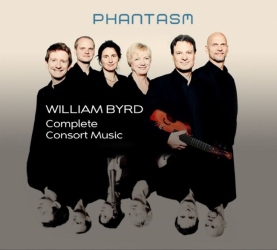
3
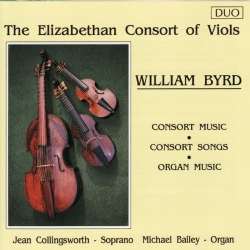
2:37