Darius Milhaud
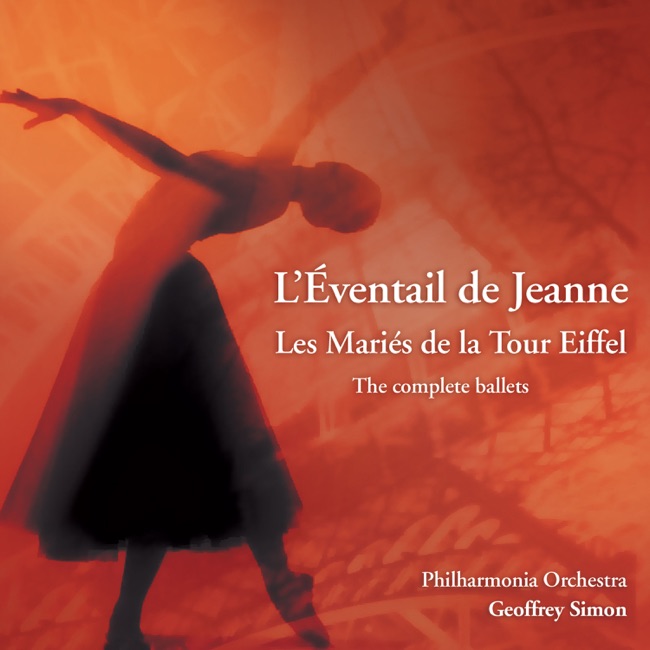
Les Mariés de la Tour-Eiffel (3), Op. 70
Released Album
Recent Album
Works Info
Composer:Darius MilhaudGenre:Musical TheatreStyle:BalletCompose Date:1921Publication Date:1965Movement_count:10Movement ....Les Mariés de la Tour-Eiffel (The Wedding Party on the Eiffel Tower) is a musical work composed by Darius Milhaud in 1921. It is a ballet in six scenes, with a libretto by Jean Cocteau and choreography by Léonide Massine. The piece was commissioned by the Ballets Suédois, a Paris-based dance company, and premiered on June 18, 1921, at the Théâtre des Champs-Élysées. The plot of the ballet revolves around a wedding party that takes place on the Eiffel Tower. The bride and groom, along with their guests, climb the tower and celebrate their nuptials with music, dance, and revelry. Each scene of the ballet features a different aspect of the wedding party, from the arrival of the guests to the final dance. The music of Les Mariés de la Tour-Eiffel is characterized by its use of polytonality, a technique in which multiple keys are played simultaneously. Milhaud was one of the pioneers of this style, which he developed while studying with the composer Charles Koechlin. The music also features elements of jazz and popular music, reflecting the cultural milieu of Paris in the 1920s. The ballet is divided into six movements, each with its own distinct character. The first movement, "Prologue," sets the scene for the wedding party and introduces the main characters. The second movement, "The Guests," features a lively dance for the wedding guests, while the third movement, "The Bride," is a more introspective piece that focuses on the bride's emotions. The fourth movement, "The Tower," is a musical depiction of the Eiffel Tower, with its soaring melodies and intricate harmonies. The fifth movement, "The Wedding," is the climax of the ballet, featuring a joyous dance for the bride and groom. The final movement, "Epilogue," brings the ballet to a close with a reflective coda. Les Mariés de la Tour-Eiffel was a groundbreaking work in its time, combining elements of classical music, jazz, and popular culture in a way that had never been done before. The ballet was a critical and commercial success, and it helped to establish Milhaud as one of the leading composers of his generation. Today, it is considered a classic of 20th-century music and is still performed by dance companies and orchestras around the world.More....
Works Music
Released Music