Heitor Villa-Lobos
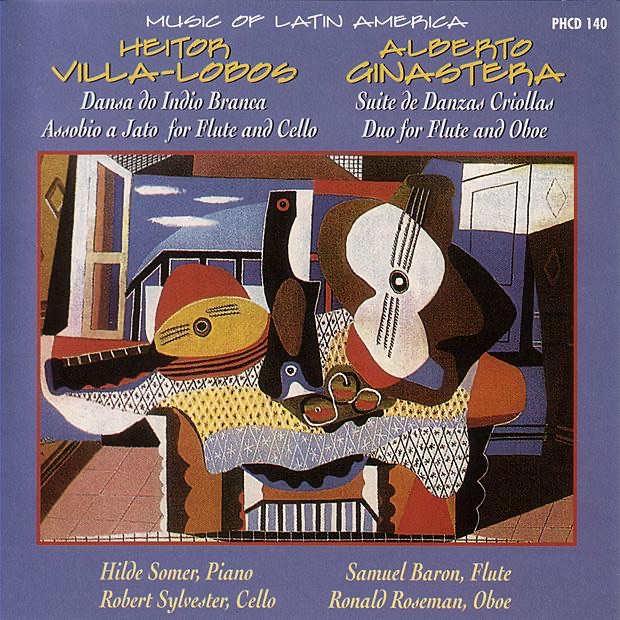
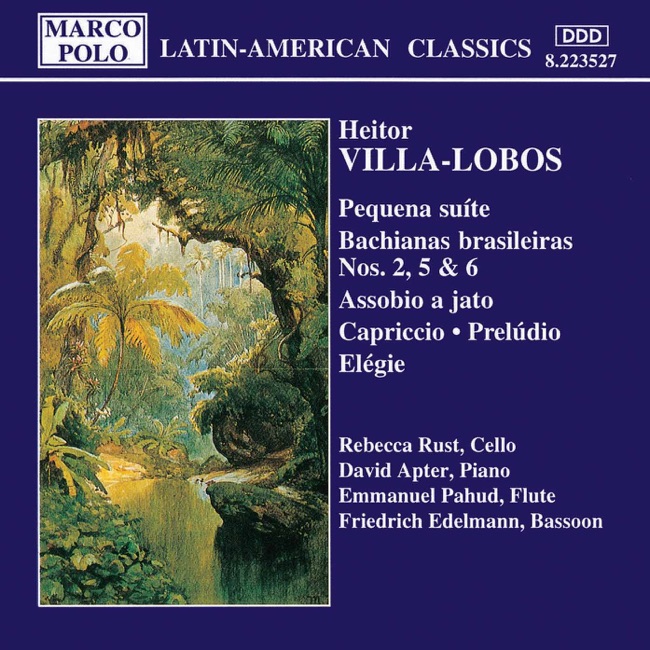
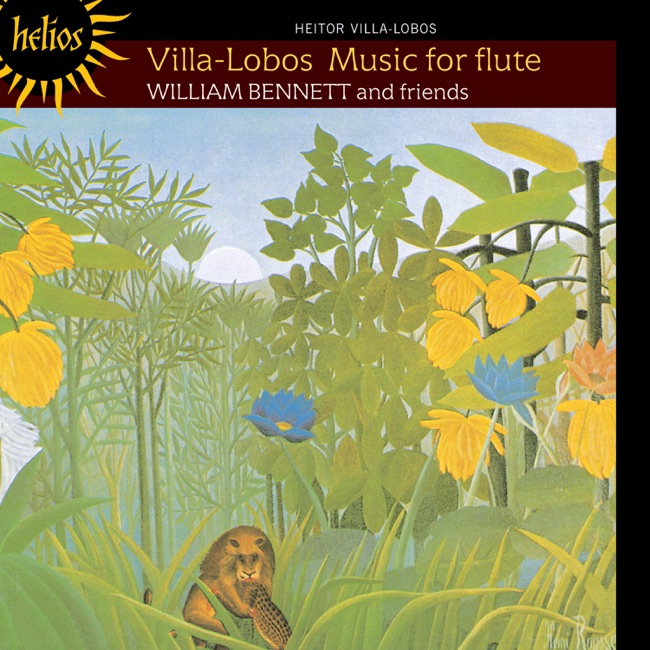
Assobio a jato, A. 493
Released Album
Recent Album

Works Info
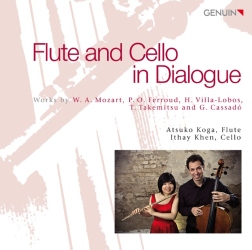
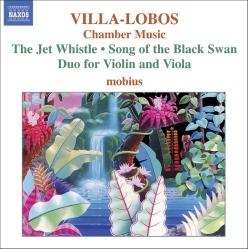
Composer:Heitor Villa-LobosGenre:ChamberStyle:Chamber MusicCompose Date:1950Average_duration:9:54Movement_count:3Movement ....Assobio a jato, A. 493, also known as "The Jet Whistle," is a chamber work composed by Brazilian composer Heitor Villa-Lobos in 1950. The piece was premiered in Paris on May 18, 1950, by the flutist Jean-Pierre Rampal and the composer himself on the cello. The work is divided into three movements, each with its own unique characteristics. The first movement, marked Allegro non troppo, is a lively and playful scherzo that features the flute and cello in a call-and-response style. The second movement, marked Adagio, is a slow and melancholic piece that showcases the lyrical qualities of the flute. The final movement, marked Vivo, is a fast and energetic dance that brings the piece to a thrilling conclusion. One of the most distinctive features of Assobio a jato is the use of the Brazilian folk tune "Assobio a jato" (which translates to "Jet Whistle") as a recurring motif throughout the work. The tune is first introduced in the flute part in the opening bars of the first movement and is then developed and transformed throughout the piece. Another notable characteristic of the work is Villa-Lobos's use of extended techniques for the flute, such as flutter-tonguing and pitch bending, which add to the playful and whimsical nature of the music. The cello part also features some unconventional techniques, such as pizzicato glissandos and harmonics. Overall, Assobio a jato is a charming and virtuosic work that showcases Villa-Lobos's unique blend of Brazilian folk music and European classical traditions. Its catchy melodies and lively rhythms have made it a popular choice for flutists and chamber ensembles around the world.More....
Works Music
Released Music

6
4:43