


Franz Liszt
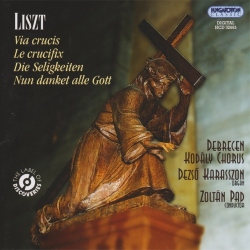
Via Crucis, for solo voices, chorus & organ, S. 53
Released Album
Recent Album




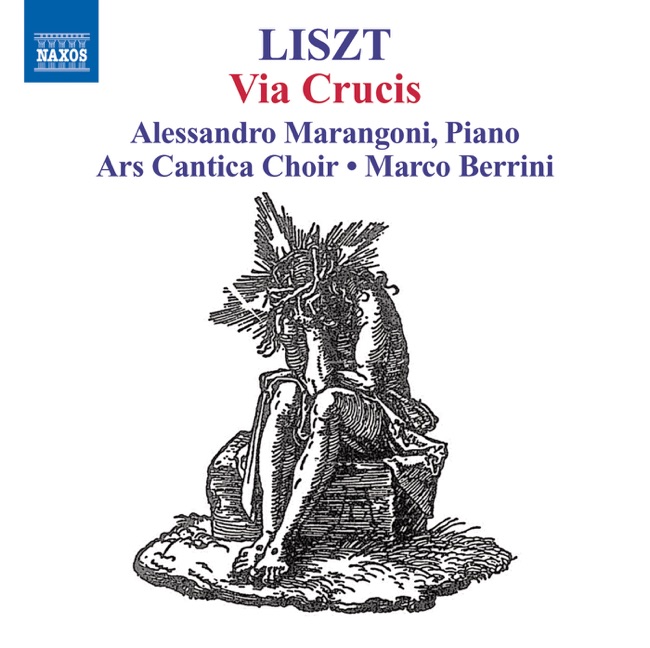
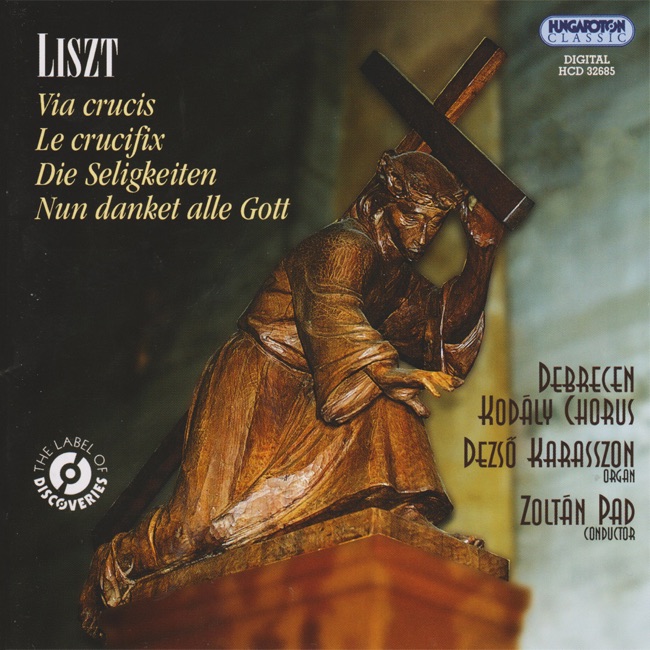


Featured Album

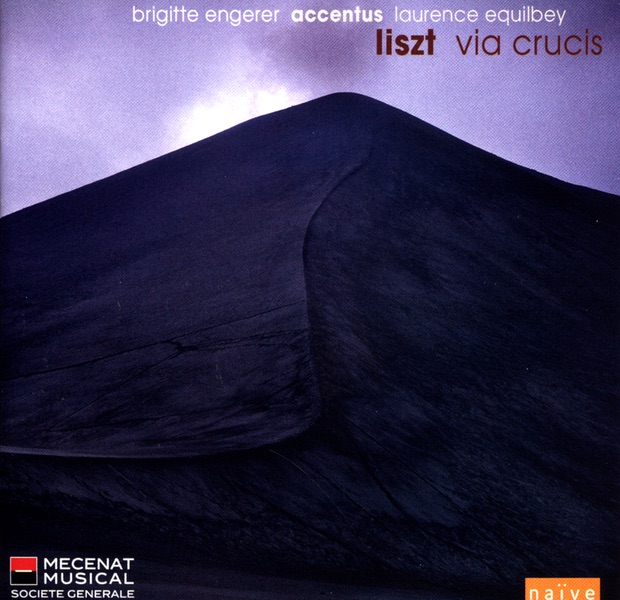
Works Info
Composer:Franz LisztGenre:ChoralStyle:ChoralCompose Date:1876 - 1879Publication Date:1907First Performance:1929Average_duration:38:57Movement_count:15Movement ....Franz Liszt's 'Via Crucis, for solo voices, chorus & organ, S. 53' is a sacred work that was composed in 1878. It was premiered in 1879 in the chapel of the Ursuline convent in Rome. The work is divided into 15 movements, each of which corresponds to one of the stations of the cross. The first movement, "Jesus is condemned to death," is a somber and mournful piece that sets the tone for the rest of the work. The second movement, "Jesus takes up his cross," is a more upbeat and energetic piece that reflects the determination of Jesus to carry out his mission. The third movement, "Jesus falls for the first time," is a slow and contemplative piece that reflects the pain and suffering of Jesus as he stumbles under the weight of the cross. The fourth movement, "Jesus meets his mother," is a tender and emotional piece that reflects the love and compassion between Jesus and his mother. The fifth movement, "Simon of Cyrene helps Jesus carry the cross," is a lively and rhythmic piece that reflects the help and support that Jesus received from Simon. The sixth movement, "Veronica wipes the face of Jesus," is a gentle and reflective piece that reflects the kindness and compassion of Veronica. The seventh movement, "Jesus falls for the second time," is a slow and mournful piece that reflects the pain and suffering of Jesus as he stumbles again under the weight of the cross. The eighth movement, "Jesus meets the women of Jerusalem," is a haunting and mournful piece that reflects the sorrow and grief of the women who witness Jesus' suffering. The ninth movement, "Jesus falls for the third time," is a slow and somber piece that reflects the exhaustion and pain of Jesus as he falls for the final time. The tenth movement, "Jesus is stripped of his garments," is a stark and dramatic piece that reflects the humiliation and degradation that Jesus endured. The eleventh movement, "Jesus is nailed to the cross," is a powerful and intense piece that reflects the agony and pain of Jesus as he is crucified. The twelfth movement, "Jesus dies on the cross," is a solemn and mournful piece that reflects the final moments of Jesus' life. The thirteenth movement, "Jesus is taken down from the cross," is a gentle and reflective piece that reflects the sorrow and grief of those who mourn Jesus' death. The fourteenth movement, "Jesus is laid in the tomb," is a quiet and contemplative piece that reflects the finality of Jesus' death. The fifteenth and final movement, "Resurrexit," is a triumphant and joyful piece that reflects the resurrection of Jesus and the hope and promise of new life. Overall, 'Via Crucis' is a powerful and moving work that reflects the deep spiritual and emotional journey of Jesus' passion and death. It is a testament to Liszt's skill as a composer and his deep faith and devotion.More....
Works Music
Released Music
1

4:20

3
4:23
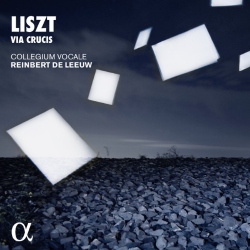

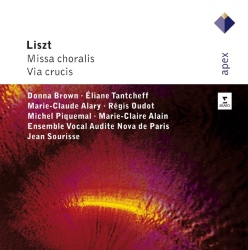

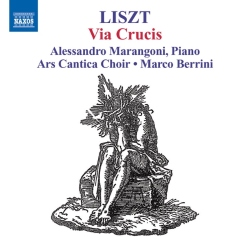
Featured Music
5

Via Crucis, for solo voices, chorus & organ, p. 53
Station 4. Jesus begegnet seiner heiligen Mutter
2:21
6
Via Crucis, for solo voices, chorus & organ, p. 53
Station 5. Simon von Kyrene hilft Jesus das Kreuz tragen
3:12
7
Via Crucis, for solo voices, chorus & organ, p. 53
Station 6. Sancta Veronica "O Haupt voll Blut und Wunden"
2:50
9
Via Crucis, for solo voices, chorus & organ, p. 53
Station 11. Jesus wird ans Kreuz gsechlagen "Crucifige"
1:1
10
Via Crucis, for solo voices, chorus & organ, p. 53
Station 12. Jesus stirbt am Kreuze "Eli, Eli, lamma Sabacthani"
6:16
11
Via Crucis, for solo voices, chorus & organ, p. 53
Station 13. Jesus wird kom Kreuz genommen
3:51
12
Via Crucis, for solo voices, chorus & organ, p. 53
Station 14. Jesus wird ins Grab gelegt "Ave Crux, spes unica"
4:39
Main Perform Artists