Johann Sebastian Bach
Jesu, meine Freude (V), BWV Anh. 59
Released Album
Recent Album
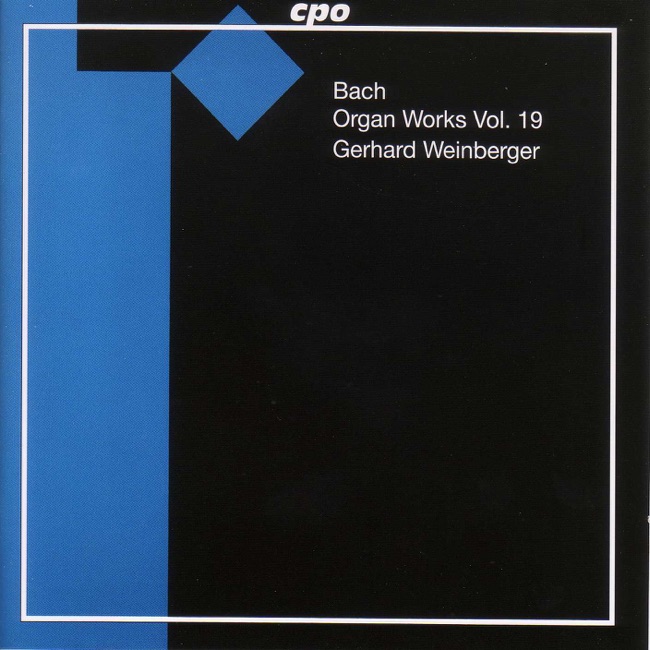
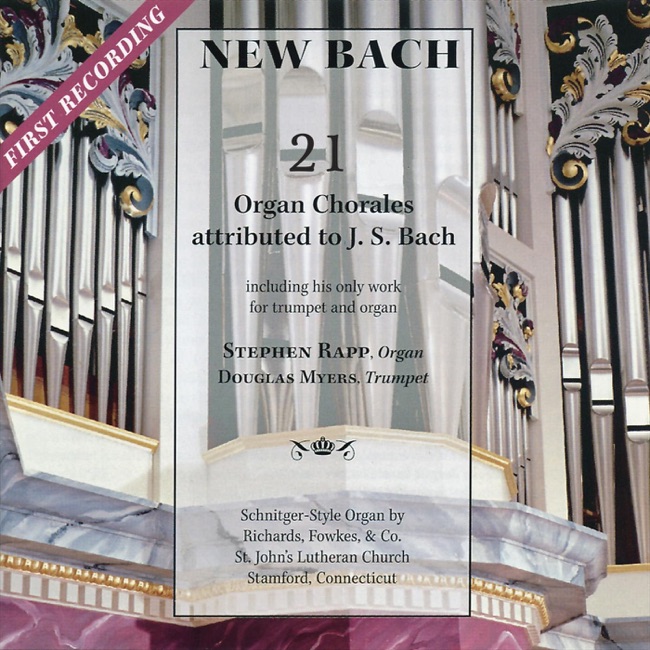
Works Info
Composer:Johann Sebastian BachGenre:KeyboardStyle:Chorale PreludeCompose Date:before 1800Average_duration:3:22Johann Sebastian Bach's 'Jesu, meine Freude (V), BWV Anh. 59' is a sacred motet composed in the early 18th century. The exact date of composition is unknown, but it is believed to have been written during Bach's tenure as the cantor of the Thomaskirche in Leipzig, Germany. The piece is written for five-part choir and is based on a hymn by Johann Franck. The motet is divided into eleven movements, each with its own distinct character and musical style. The first movement is a chorale setting of the hymn tune, with the choir singing in unison. The second movement is a fugue, with the choir singing in five parts. The third movement is a recitative, with the choir singing in a more declamatory style. The fourth movement is a duet, with two voices singing in counterpoint. The fifth movement is a chorale setting, with the choir singing in four parts. The sixth movement is a fugue, with the choir singing in five parts. The seventh movement is a recitative, with the choir singing in a more declamatory style. The eighth movement is a duet, with two voices singing in counterpoint. The ninth movement is a chorale setting, with the choir singing in four parts. The tenth movement is a fugue, with the choir singing in five parts. The final movement is a chorale setting, with the choir singing in four parts. The motet is characterized by its intricate counterpoint, complex harmonies, and expressive use of text painting. Bach's use of chromaticism and dissonance creates a sense of tension and release throughout the piece, reflecting the text's themes of sin and redemption. The motet is also notable for its use of word painting, with Bach using musical devices to illustrate the meaning of the text. 'Jesu, meine Freude (V), BWV Anh. 59' premiered during one of Bach's church services in Leipzig, likely during the early 1720s. The piece has since become a staple of the choral repertoire, admired for its technical brilliance and emotional depth.More....
Works Music