


Antonio Caldara
Sinfonia a quattro No. 7 in D major "Gerusalemme convertita"
Released Album
Recent Album
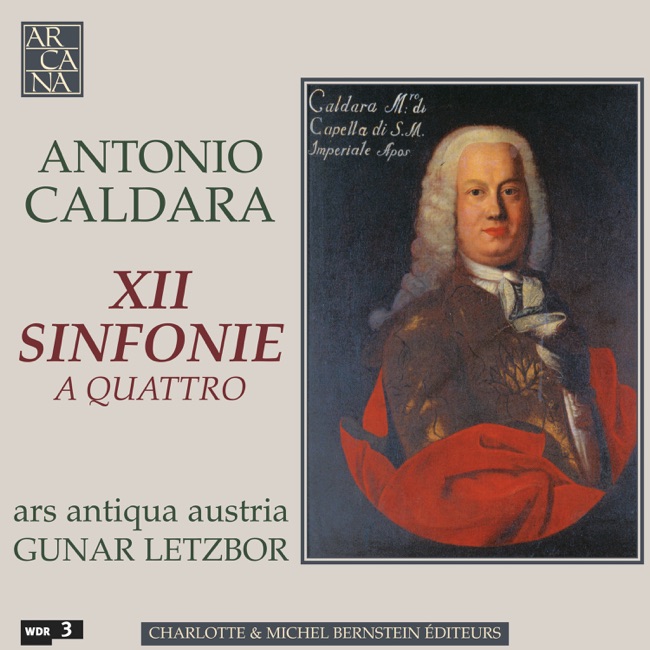
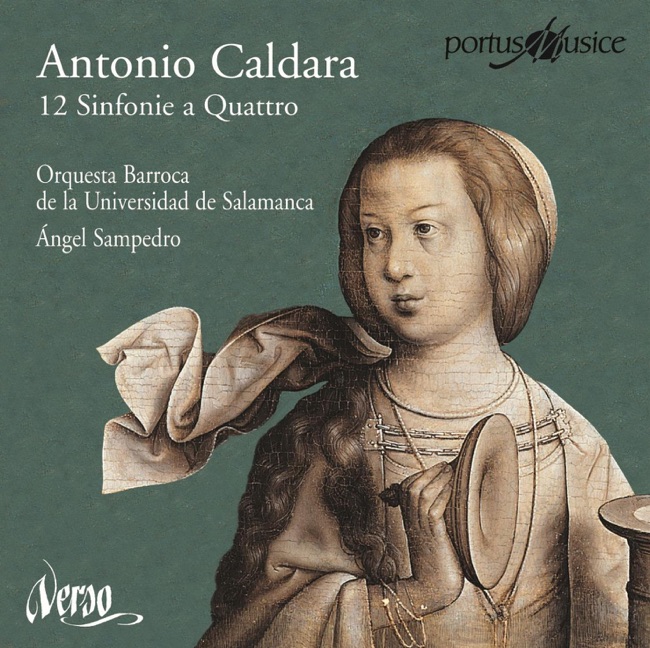
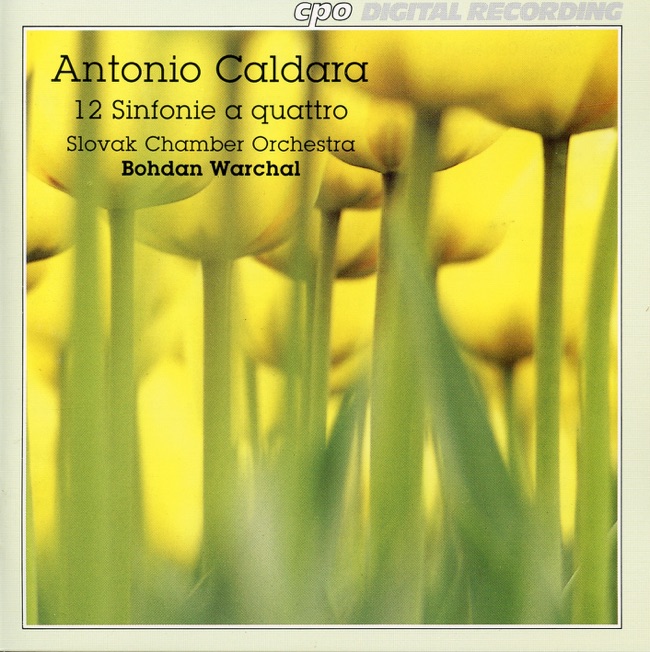
Works Info
Composer:Antonio CaldaraGenre:SymphonyStyle:SymphonyCompose Date:1733Average_duration:3:51Antonio Caldara's Sinfonia a quattro No. 7 in D major Gerusalemme convertita was composed in the early 18th century. The exact date of composition is unknown, but it is believed to have been written between 1715 and 1720. The sinfonia was first performed in Vienna, Austria, and was well-received by audiences and critics alike. The sinfonia is divided into three movements: Allegro, Adagio, and Allegro. The first movement, Allegro, is characterized by its lively and energetic tempo. The use of strings and woodwinds creates a bright and cheerful atmosphere, while the use of brass adds a sense of grandeur and majesty. The second movement, Adagio, is much slower and more contemplative. The use of strings creates a sense of intimacy and introspection, while the woodwinds add a sense of melancholy and longing. The final movement, Allegro, returns to the lively and energetic tempo of the first movement. The use of brass and percussion creates a sense of triumph and celebration, while the strings and woodwinds add a sense of joy and exuberance. The sinfonia is notable for its use of counterpoint and polyphony. Caldara was a master of these techniques, and they are evident throughout the sinfonia. The use of multiple melodies and harmonies creates a rich and complex texture, while the use of imitation and variation adds a sense of unity and coherence. Overall, Caldara's Sinfonia a quattro No. 7 in D major Gerusalemme convertita is a masterful example of Baroque music. Its use of counterpoint and polyphony, combined with its lively and energetic tempo, make it a joy to listen to and a testament to Caldara's skill as a composer.More....
Works Music
Released Music
1
1:6
2
2:12
3
1:30