Giovanni Pergolesi
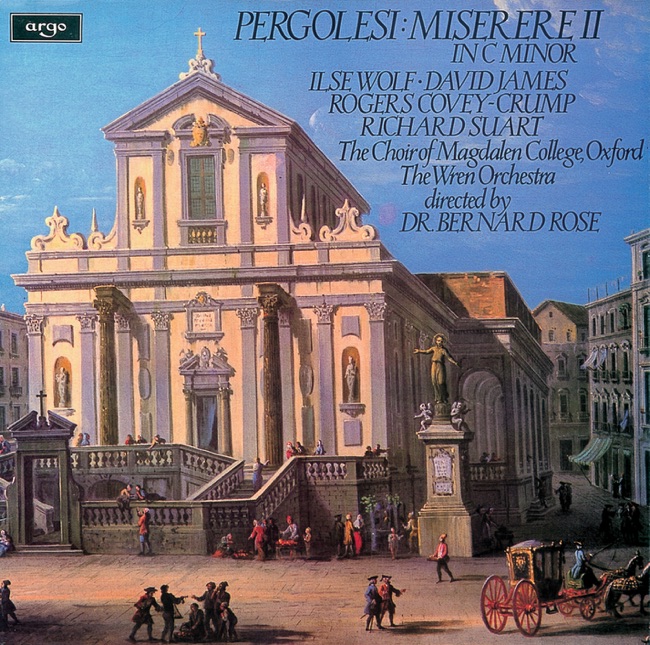
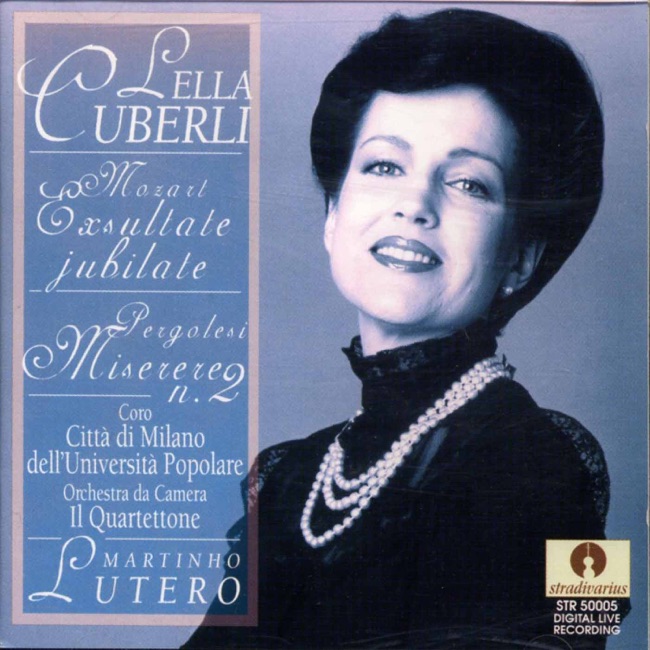
Miserere in C minor
Released Album
Recent Album
Works Info
Composer:Giovanni PergolesiGenre:ChoralStyle:ChoralAverage_duration:49:39Giovanni Battista Pergolesi was an Italian composer of the Baroque era, born in 1710 in Jesi, Italy. He is best known for his operas, but he also composed sacred music, including the Miserere in C minor. The Miserere in C minor is a sacred choral work composed by Pergolesi in the mid-1730s. It is a setting of the Latin text of Psalm 51, which is a penitential psalm. The work is scored for four-part choir, soloists, and orchestra. The Miserere in C minor premiered in Rome in 1736, and it quickly became popular throughout Europe. The work is divided into nine movements, each of which reflects a different aspect of the text of Psalm 51. The first movement, "Miserere mei, Deus" (Have mercy on me, O God), is a plaintive plea for forgiveness. The choir sings in unison, accompanied by a simple orchestral accompaniment. The second movement, "Tibi soli peccavi" (Against you alone have I sinned), is a solo aria for soprano. The aria is characterized by its lyrical melody and expressive vocal line. The third movement, "Ecce enim in iniquitatibus" (For behold, I was born in iniquity), is a duet for alto and tenor. The duet is characterized by its contrapuntal texture and expressive harmonies. The fourth movement, "Asperges me" (Purge me with hyssop), is a solo aria for bass. The aria is characterized by its virtuosic vocal line and lively orchestral accompaniment. The fifth movement, "Auditui meo dabis gaudium" (You will give joy to my hearing), is a solo aria for tenor. The aria is characterized by its joyful melody and lively orchestral accompaniment. The sixth movement, "Cor mundum crea in me" (Create in me a clean heart), is a solo aria for alto. The aria is characterized by its expressive vocal line and simple orchestral accompaniment. The seventh movement, "Ne projicias me" (Do not cast me away), is a duet for soprano and tenor. The duet is characterized by its expressive vocal lines and contrapuntal texture. The eighth movement, "Tunc acceptabis sacrificium" (Then you will accept the sacrifice), is a solo aria for bass. The aria is characterized by its virtuosic vocal line and lively orchestral accompaniment. The final movement, "Gloria Patri" (Glory be to the Father), is a choral fugue. The fugue is characterized by its contrapuntal texture and joyful harmonies. Overall, the Miserere in C minor is a beautiful and expressive work that showcases Pergolesi's skill as a composer of sacred music. Its popularity has endured to this day, and it remains a beloved work in the choral repertoire.More....