


Giulio Cesare Monteverdi
Lagrime d'amante al sepolcro dell'amata, sestina
Released Album
Recent Album

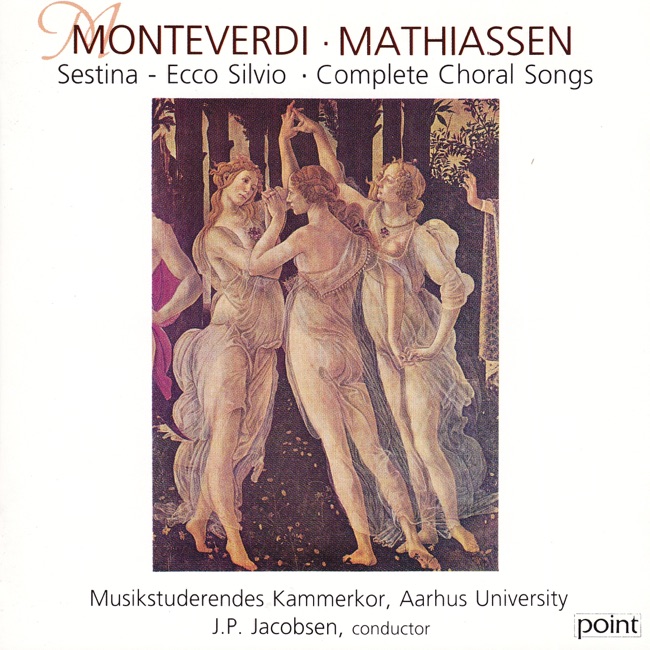
Featured Album


Works Info
Composer:Giulio Cesare MonteverdiGenre:ChoralStyle:ChoralAverage_duration:15:54Giulio Cesare Monteverdi's 'Lagrime d'amante al sepolcro dell'amata, sestina' is a six-part vocal work that was composed in the early 17th century. The piece was premiered in Venice in 1614 and is considered one of Monteverdi's most significant works. The six movements of the piece are based on a sestina, a poetic form that consists of six stanzas of six lines each, followed by a final three-line stanza. Each of the six stanzas uses the same six end-words, but in a different order. Monteverdi's 'Lagrime d'amante al sepolcro dell'amata, sestina' follows this structure, with each movement using the same six musical themes in a different order. The piece is characterized by its emotional intensity and expressive use of dissonance. Monteverdi employs chromaticism and unexpected harmonic shifts to create a sense of tension and release throughout the work. The vocal lines are highly ornamented, with frequent use of trills, runs, and other embellishments. The text of the piece is a lament for a lost love, with each movement exploring a different aspect of the speaker's grief. The music reflects the emotional content of the text, with the dissonant harmonies and ornate vocal lines conveying the speaker's pain and longing. Overall, Monteverdi's 'Lagrime d'amante al sepolcro dell'amata, sestina' is a masterful example of the composer's skill in creating expressive and emotionally powerful music. Its use of the sestina form and its innovative harmonic language make it a landmark work in the history of vocal music.More....
Works Music
Released Music

Featured Music
2

Lover's tears at the sepulcher of the beloved, sextuplet
Ditelo, o fiumi, e voi ch'udiste Glauco
1:49
3
Lover's tears at the sepulcher of the beloved, sextuplet
Darà la notte il sol lume alla terra
2:18
4
Lover's tears at the sepulcher of the beloved, sextuplet
Ma te raccoglie, o ninfa, in grembo 'l cielo
2:55
6
Lover's tears at the sepulcher of the beloved, sextuplet
Dunque, amate reliquie, un mar di pianto
3:38
9

2:10
11
2:25