


Samuel Scheidt
Canzon Aechiopican
Works Info
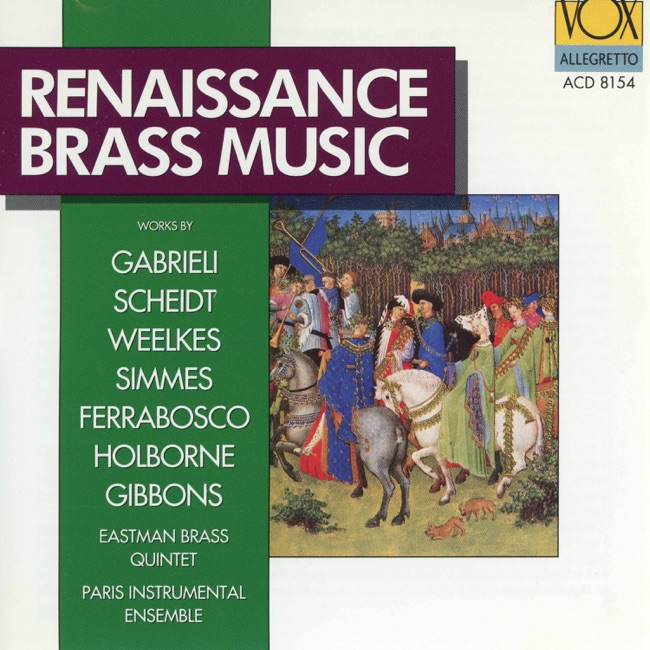
Composer:Samuel ScheidtGenre:ChamberStyle:CanzonaAverage_duration:4:20Samuel Scheidt was a German composer and organist who lived from 1587 to 1654. He was a prominent figure in the early Baroque period and is known for his contributions to the development of the German organ school. One of his most famous works is the Canzon Aechiopican, which was composed in the early 17th century. The Canzon Aechiopican is a piece of instrumental music that was originally written for a brass ensemble. It is believed to have been composed around 1620 and was likely first performed in the city of Halle, where Scheidt was working as an organist at the time. The piece is divided into three movements, each with its own distinct character and style. The first movement of the Canzon Aechiopican is marked by a lively and energetic tempo. It features a series of intricate and complex rhythms that are typical of the Baroque period. The melody is carried by the brass instruments, which are supported by a bass line played by the organ. The overall effect is one of joy and celebration, with a sense of forward momentum that propels the music forward. The second movement of the Canzon Aechiopican is more subdued and introspective. It features a slower tempo and a more contemplative melody. The brass instruments are used more sparingly in this section, with the focus shifting to the organ. The music is characterized by a sense of melancholy and longing, with a haunting quality that lingers long after the piece has ended. The final movement of the Canzon Aechiopican is marked by a return to the lively and energetic tempo of the first movement. It features a series of intricate and complex rhythms that are typical of the Baroque period. The melody is carried by the brass instruments, which are supported by a bass line played by the organ. The overall effect is one of joy and celebration, with a sense of forward momentum that propels the music forward. Overall, the Canzon Aechiopican is a masterful example of Baroque instrumental music. It showcases Scheidt's skill as a composer and his ability to create music that is both complex and accessible. The piece has remained popular with audiences and performers alike, and continues to be performed and recorded to this day.More....
