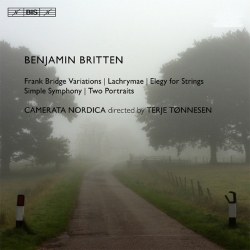
Benjamin Britten
Two Portraits
Released Album
Recent Album
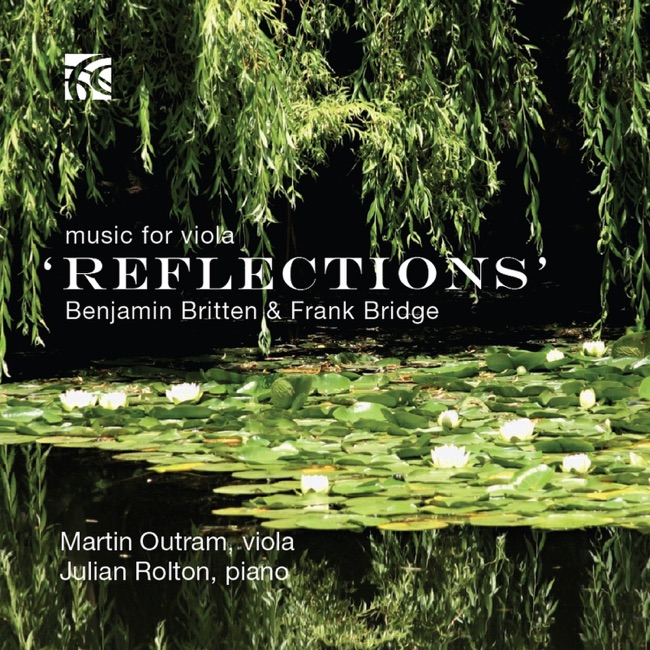
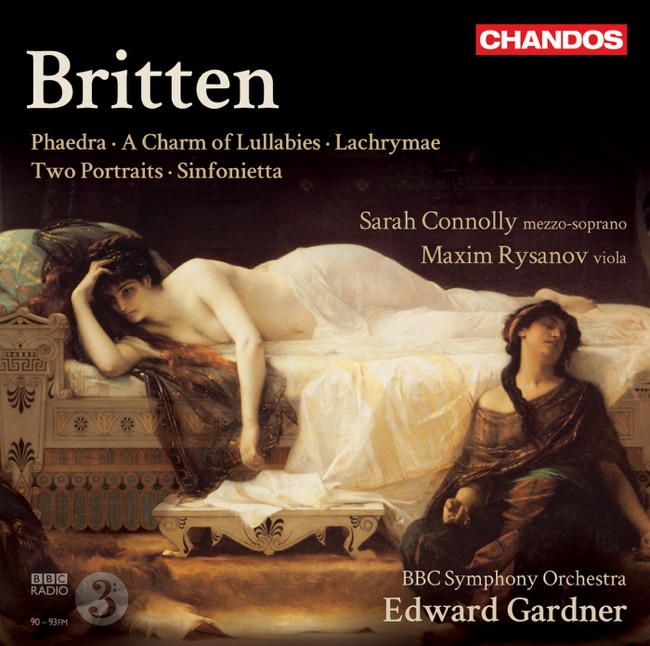
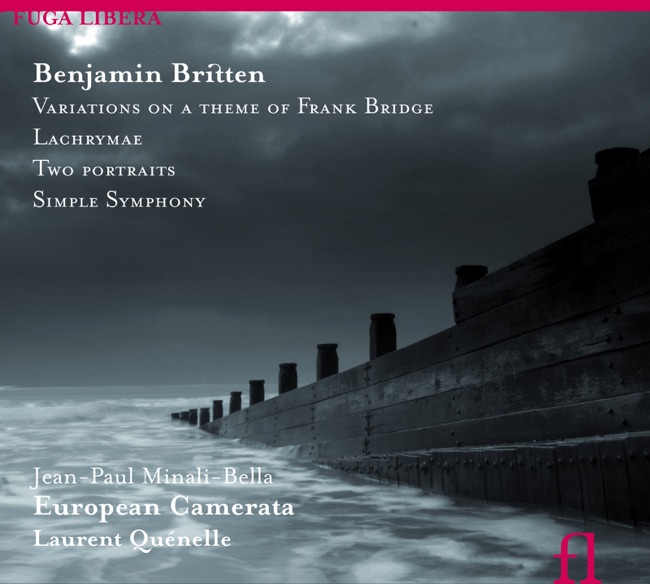
Featured Album
Works Info
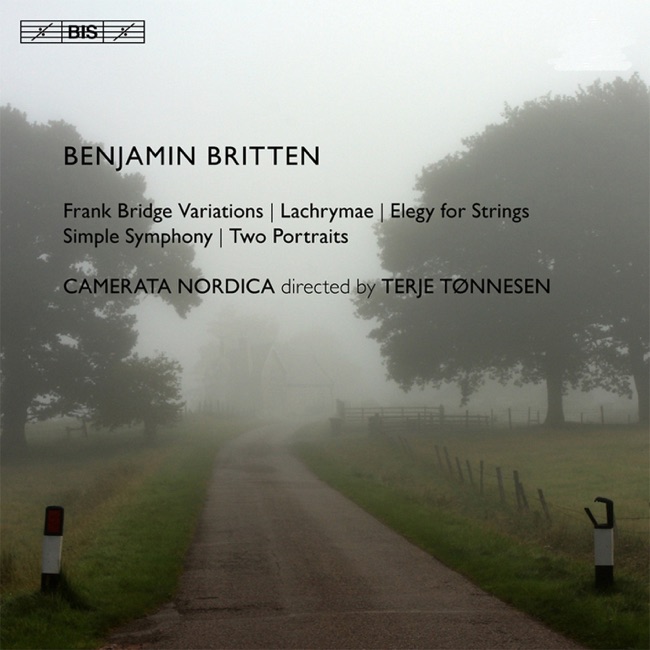
Composer:Benjamin BrittenGenre:ChamberStyle:Chamber MusicCompose Date:1930Average_duration:14:43Movement_count:2Movement ...."Two Portraits" is a composition for string orchestra by Benjamin Britten. It was composed in 1930 and premiered on 10th December 1930 at the Norwich Festival. The piece consists of two movements, each of which is a musical portrait of a person. The first movement, titled "Elegy", is a tribute to the composer's teacher, Frank Bridge. It is a slow and mournful piece that reflects the sadness and loss felt by Britten after Bridge's death. The movement begins with a solo viola playing a simple melody, which is then taken up by the rest of the orchestra. The music builds in intensity, with the violins playing a soaring melody over a bed of rich harmonies. The movement ends with a return to the solo viola, which plays a final, plaintive melody. The second movement, titled "Militaristic", is a portrait of the composer's friend and fellow composer, William Walton. It is a lively and energetic piece that reflects Walton's outgoing and flamboyant personality. The movement begins with a fanfare-like motif played by the brass, which is then taken up by the rest of the orchestra. The music is full of rhythmic energy, with the strings playing fast, syncopated rhythms and the brass and percussion adding accents and flourishes. The movement ends with a triumphant flourish, as the brass and percussion play a final, rousing fanfare. Overall, "Two Portraits" is a powerful and emotional work that showcases Britten's skill as a composer. The contrast between the two movements, one mournful and the other celebratory, highlights the range of emotions that music can convey. The piece is also notable for its use of orchestration, with Britten using the different sections of the orchestra to create a rich and varied sound.More....
Works Music
Released Music
Featured Music