


George Antheil
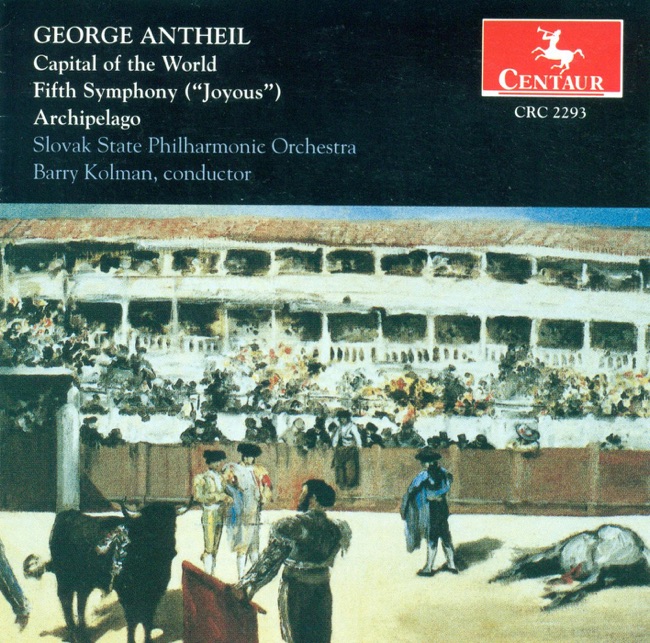
Archipelago, W. 172
Released Album
Recent Album
Featured Album
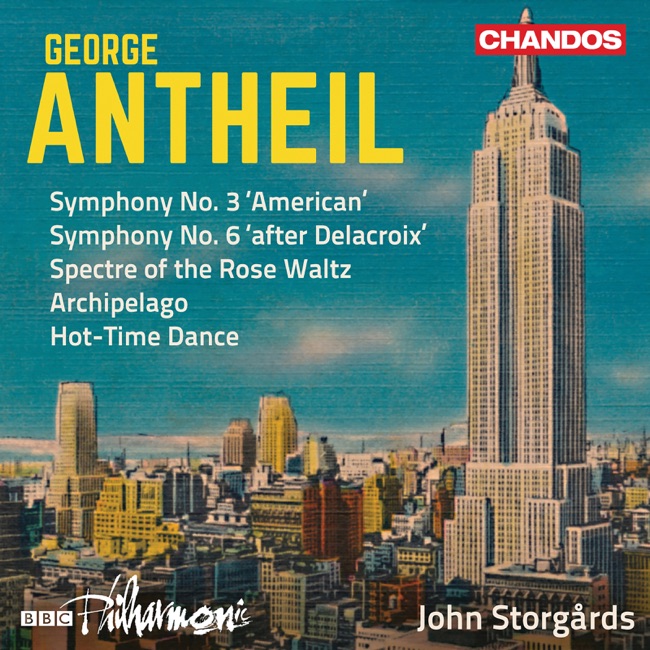
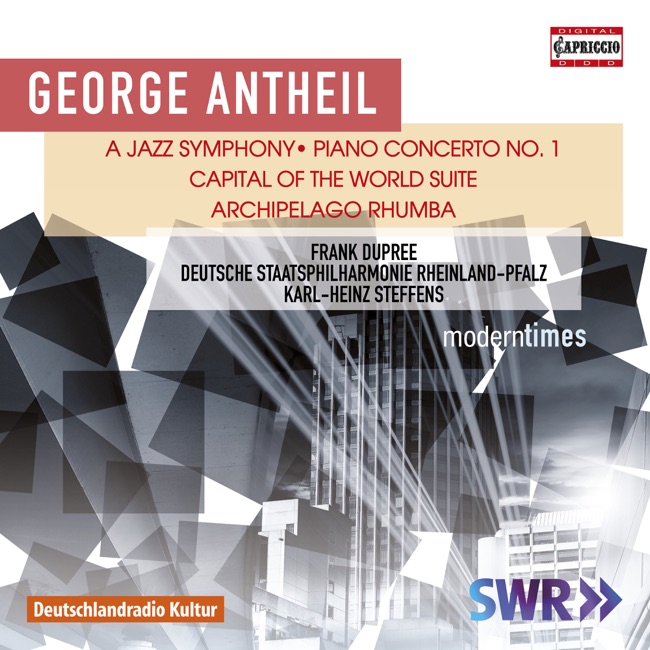
Works Info
Composer:George AntheilGenre:OrchestralStyle:OrchestralCompose Date:Mar 29, 1935First Performance:Apr 7, 1935Average_duration:5:33Archipelago, W. 172 is a composition for orchestra by American composer George Antheil. It was composed in 1955 and premiered on January 12, 1956, by the New York Philharmonic under the direction of Leonard Bernstein. The piece is divided into three movements, each with its own distinct character. The first movement, marked "Allegro," is characterized by its driving rhythms and energetic melodies. The second movement, marked "Andante," is more introspective and lyrical, with a hauntingly beautiful melody played by the strings. The final movement, marked "Allegro con fuoco," is a lively and exuberant dance, with a playful and syncopated rhythm. One of the most striking characteristics of Archipelago is its use of percussion. Antheil was known for his innovative use of percussion, and in this piece, he employs a wide variety of instruments, including maracas, bongos, congas, and timpani. The percussion adds a sense of excitement and energy to the piece, and helps to drive the rhythm forward. Another notable feature of Archipelago is its use of dissonance. Antheil was a pioneer of modernist music, and he often used dissonant harmonies and unconventional chord progressions in his compositions. In Archipelago, he employs these techniques to create a sense of tension and drama, particularly in the more introspective second movement. Overall, Archipelago is a dynamic and exciting piece of music, showcasing Antheil's innovative approach to composition and his mastery of orchestration. Its blend of driving rhythms, haunting melodies, and unconventional harmonies make it a unique and memorable work in the canon of 20th-century classical music.More....
Works Music
Released Music
Featured Music

3
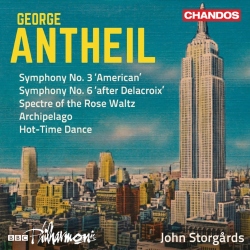
Archipelago, W. 172
Archipelago, "Rhumba"
George Antheil: Symphony No. 3 'American'; Symphony No. 6 'after Delacroix'; Spectre of the Rose Wal
6:9