


Georg Philipp Telemann
Sonata for recorder, viola da gamba & continuo in C minor, TWV 42:c6
Released Album
Recent Album

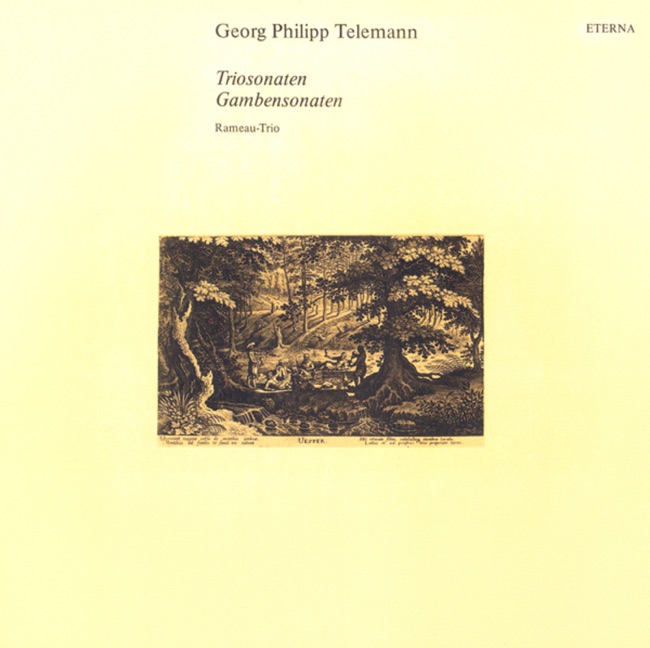
Works Info
Composer:Georg Philipp TelemannGenre:ChamberStyle:SonataCompose Date:1726 - 1730Publication Date:1972Average_duration:11:17Georg Philipp Telemann's Sonata for recorder, viola da gamba & continuo in C minor, TWV 42:c6, was composed in the early 18th century. The exact date of composition is unknown, but it is believed to have been written between 1712 and 1728. The sonata was premiered in Hamburg, Germany, where Telemann was the director of music for the city. The sonata consists of four movements: Largo, Allegro, Largo, and Vivace. The first movement, Largo, is a slow and mournful introduction that sets the tone for the rest of the sonata. The second movement, Allegro, is a lively and energetic dance that showcases the virtuosity of the recorder and viola da gamba. The third movement, Largo, is another slow and contemplative section that provides a contrast to the previous movement. The final movement, Vivace, is a fast and lively dance that brings the sonata to a thrilling conclusion. The sonata is characterized by its use of counterpoint, which is the interweaving of multiple melodies to create a complex and harmonious whole. Telemann was a master of counterpoint, and this sonata is a prime example of his skill in this area. The recorder and viola da gamba are given equal prominence in the sonata, with both instruments taking turns playing the lead melody and providing accompaniment for the other. Overall, Telemann's Sonata for recorder, viola da gamba & continuo in C minor, TWV 42:c6, is a beautiful and complex work that showcases the composer's mastery of counterpoint and his ability to create music that is both technically challenging and emotionally moving.More....
Works Music
Released Music
1
12:41
2
2:35
3
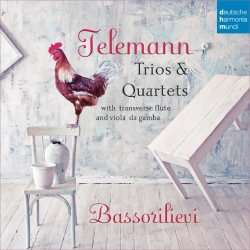
3:10
4
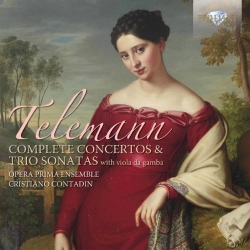
Sonata for recorder, viola da gamba & continuo in C minor, TWV 42:c6
Sonata in C minor TWV42:c6
12:41
5
3:13
6
2:3