Gregorian Chant
Stetit angelus, offertory in mode 1
Released Album
Recent Album
Works Info
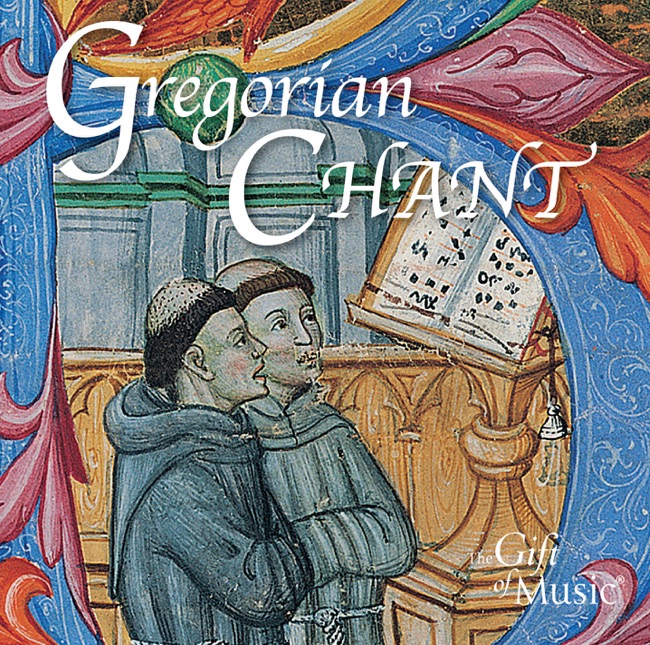
Composer:Gregorian ChantGenre:ChoralStyle:ChantAverage_duration:2:52Stetit angelus is an offertory chant in mode 1 of Gregorian chant. It is believed to have been composed in the 9th century and is still performed in Catholic liturgies today. The chant is typically sung during the offertory procession, when the gifts of bread and wine are brought to the altar. The chant is divided into three movements, each with its own distinct characteristics. The first movement begins with a soloist singing the opening phrase, "Stetit angelus juxta aram templi," which translates to "An angel stood beside the altar of the temple." The melody is simple and serene, with a gentle rise and fall in pitch. The choir then joins in, singing the same phrase in unison. This movement sets the tone for the rest of the chant, establishing a sense of reverence and awe. The second movement features a soloist singing the phrase "Habens thuribulum aureum in manu sua," which translates to "Having a golden censer in his hand." The melody is more complex than the first movement, with a greater range of notes and more intricate rhythms. The choir then joins in, singing the same phrase in harmony. This movement builds on the sense of awe established in the first movement, adding a sense of grandeur and majesty. The third and final movement features the choir singing the phrase "Et data sunt ei incensa multa," which translates to "And much incense was given to him." The melody is more lively and upbeat than the previous movements, with a sense of joy and celebration. This movement serves as a conclusion to the chant, bringing the sense of awe and grandeur to a joyful conclusion. Overall, Stetit angelus is a beautiful and powerful example of Gregorian chant. Its simple yet profound melody and its three distinct movements create a sense of reverence, awe, grandeur, and joy that is still felt by listeners today.More....
Works Music
Released Music