


Girolamo Frescobaldi
Ricercari, et canzoni franzese, Vol. 1 No. 15, Canzon Quinta. Nono Tono, for keyboard in A minor
Released Album
Recent Album
Works Info
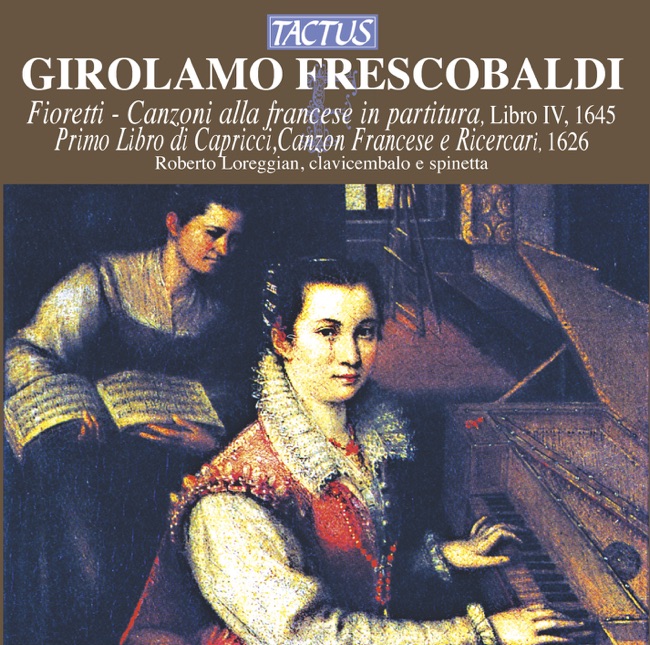
Composer:Girolamo FrescobaldiGenre:KeyboardStyle:CanzonaPublication Date:1615Average_duration:2:18Girolamo Frescobaldi was an Italian composer and keyboardist of the Baroque era. He was born in Ferrara in 1583 and died in Rome in 1643. He was one of the most important composers of keyboard music in the early Baroque period, and his works had a significant influence on the development of keyboard music in Italy and beyond. One of Frescobaldi's most famous works is the "Ricercari, et canzoni franzese, Vol. 1 No. 15, Canzon Quinta. Nono Tono, for keyboard in A minor". This piece was composed in the early 17th century and was first published in 1615. It is a part of a collection of keyboard works that includes ricercars, canzonas, and toccatas. The "Canzon Quinta" is a canzona in A minor, and it is written in the ninth tonal mode (nono tono). The piece is composed of three movements: a slow introductory section, a fast and lively middle section, and a final section that returns to the slower tempo of the opening. The piece is characterized by its use of imitative counterpoint, which is a hallmark of Frescobaldi's keyboard music. The slow introductory section of the "Canzon Quinta" is marked by a mournful melody that is played in the right hand. The left hand provides a simple accompaniment that consists of broken chords. The middle section of the piece is much faster and more lively. It features a series of imitative entries that are passed between the right and left hands. The final section of the piece returns to the slower tempo of the opening and features a more complex and contrapuntal texture. Overall, the "Ricercari, et canzoni franzese, Vol. 1 No. 15, Canzon Quinta. Nono Tono, for keyboard in A minor" is a beautiful and complex piece of keyboard music that showcases Frescobaldi's mastery of counterpoint and his ability to create intricate and engaging musical textures. It is a testament to his importance as a composer and his lasting influence on the development of keyboard music in the Baroque era and beyond.More....
Works Music
Released Music
1
3:17
2
2:9
3
2:26
4
2:5
5

2:19