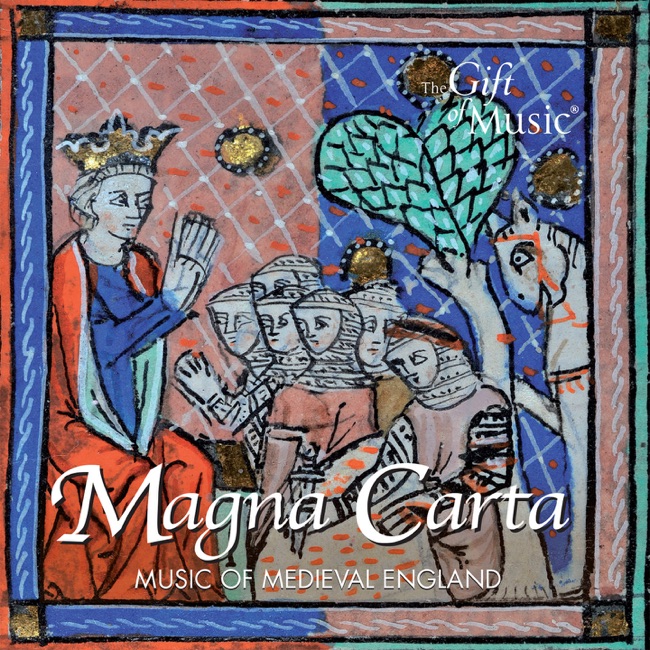
Gregorian Chant
Lauda Sion
Works Info
Composer:Gregorian ChantGenre:ChoralStyle:ChantAverage_duration:7:58Lauda Sion is a Gregorian chant composed in the 13th century by St. Thomas Aquinas, a renowned theologian and philosopher. It was written for the Feast of Corpus Christi, which celebrates the Eucharist, and is still sung in Catholic churches around the world today. The chant is divided into two main sections: the first is a hymn of praise to the Eucharist, while the second is a sequence of prayers and petitions. The text is based on the biblical passages that describe the Last Supper, where Jesus instituted the Eucharist, and the chant is meant to be a celebration of this sacrament. Lauda Sion is typically performed in a slow, meditative tempo, with a simple melody that emphasizes the text. The chant is sung in unison, with no harmony or accompaniment, and the text is in Latin. The chant is divided into several movements, each with its own distinct character. The opening movement, "Lauda Sion Salvatorem," is a joyful hymn of praise to Christ, who is the savior of the world. The second movement, "Quantum potes, tantum aude," is a call to the faithful to approach the Eucharist with faith and devotion. The third movement, "Ecce panis Angelorum," is a meditation on the bread of life, which is the Eucharist. The fourth movement, "Panis angelicus," is a prayer of thanksgiving for the gift of the Eucharist, and the fifth movement, "Tantum ergo," is a hymn of adoration to the Eucharist. Overall, Lauda Sion is a beautiful and powerful expression of faith and devotion to the Eucharist. Its simple melody and profound text have made it a beloved part of Catholic liturgy for centuries, and it continues to inspire and uplift believers today.More....