Giovanni Pierluigi da Palestrina
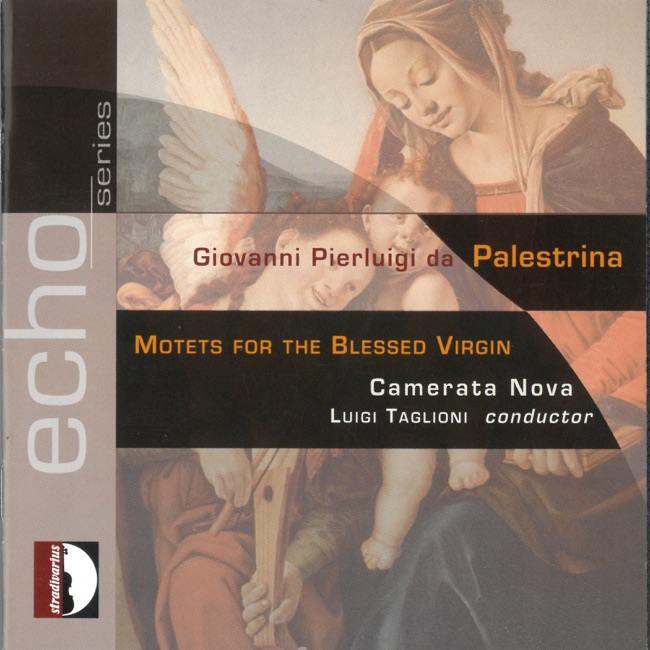
Surge propera, in Visitatione Beatae Mariae Virginis (from the Motets Book 1)
Works Info
Composer:Giovanni Pierluigi da PalestrinaGenre:ChoralStyle:MotetCompose Date:1563Average_duration:3:18Giovanni Pierluigi da Palestrina's "Surge propera, in Visitatione Beatae Mariae Virginis" is a motet that was composed in the late 16th century. It was first published in Palestrina's "Motets Book 1" in 1569. The motet is written for four voices, and it is a setting of the Latin text from the Gospel of Luke, which describes the visitation of the Virgin Mary to her cousin Elizabeth. The motet is divided into three movements, each of which is characterized by its own unique musical style. The first movement is a lively and energetic setting of the text "Surge propera, amica mea, et veni" ("Rise up, my love, and come"). The music is marked by its rhythmic vitality and its use of imitative counterpoint, in which the voices echo and imitate each other's melodies. The second movement is a more contemplative setting of the text "Quomodo fiet istud?" ("How can this be?"). The music is marked by its gentle, flowing melodies and its use of homophonic textures, in which all four voices sing together in harmony. The final movement is a joyful and celebratory setting of the text "Benedicta tu in mulieribus" ("Blessed are you among women"). The music is marked by its exuberant rhythms and its use of antiphonal textures, in which the voices are divided into two groups that sing back and forth to each other. Overall, "Surge propera, in Visitatione Beatae Mariae Virginis" is a masterful example of Palestrina's skill as a composer of sacred music. The motet is characterized by its elegant melodies, its intricate counterpoint, and its profound sense of spiritual devotion. It remains a beloved work of the Renaissance choral repertoire to this day.More....
Works Music