Michael Praetorius
Ballet des feus
Released Album
Recent Album
Works Info
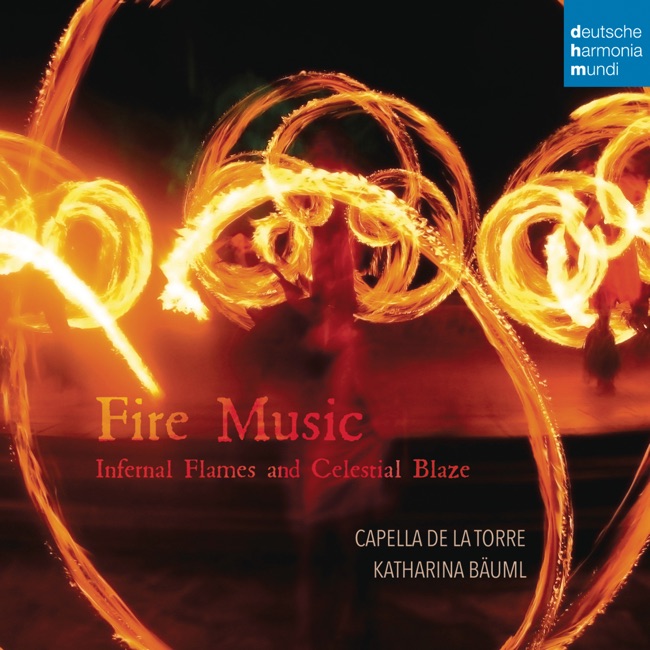
Composer:Michael PraetoriusGenre:ChamberStyle:Chamber MusicAverage_duration:1:44Ballet des feus, also known as "Ballet of the Fire," is a dance suite composed by Michael Praetorius in the early 17th century. The piece was first published in 1612 as part of his collection of dances, "Terpsichore." The premiere of Ballet des feus is not well-documented, but it is believed to have been performed at courtly events and celebrations in Germany during the early 17th century. The piece consists of six movements, each with its own distinct character and tempo. The first movement, "Entrée," is a stately introduction that sets the tone for the rest of the suite. It features a slow, regal melody played by the strings and winds, accompanied by the gentle plucking of the lute. The second movement, "Courante," is a lively dance in triple meter that features intricate footwork and quick, light steps. The melody is played by the strings and winds, with the lute providing a rhythmic accompaniment. The third movement, "Sarabande," is a slow, graceful dance in triple meter that emphasizes the beauty of the dancers' movements. The melody is played by the strings and winds, with the lute providing a gentle, flowing accompaniment. The fourth movement, "Gavotte," is a lively dance in duple meter that features a playful melody played by the strings and winds. The lute provides a rhythmic accompaniment, and the dancers perform quick, light steps. The fifth movement, "Branle," is a rustic dance in duple meter that features a lively melody played by the strings and winds. The lute provides a rhythmic accompaniment, and the dancers perform energetic, jumping steps. The final movement, "Volte," is a fast-paced dance in triple meter that features a lively melody played by the strings and winds. The lute provides a rhythmic accompaniment, and the dancers perform quick, spinning steps. Overall, Ballet des feus is a lively and energetic dance suite that showcases the beauty and grace of courtly dance during the early 17th century. The piece features a variety of tempos and moods, from the stately introduction to the playful gavotte and rustic branle. The use of different instruments, including the lute, adds depth and texture to the music, while the intricate footwork and movements of the dancers bring the music to life.More....
Works Music
Released Music