Franz Schubert
Ruhe, schönstes Glück der Erde, D. 657
Released Album
Recent Album

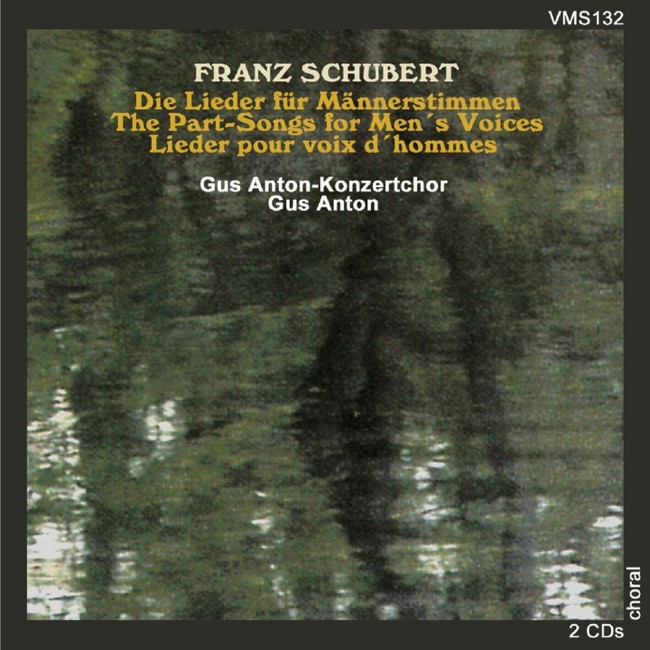
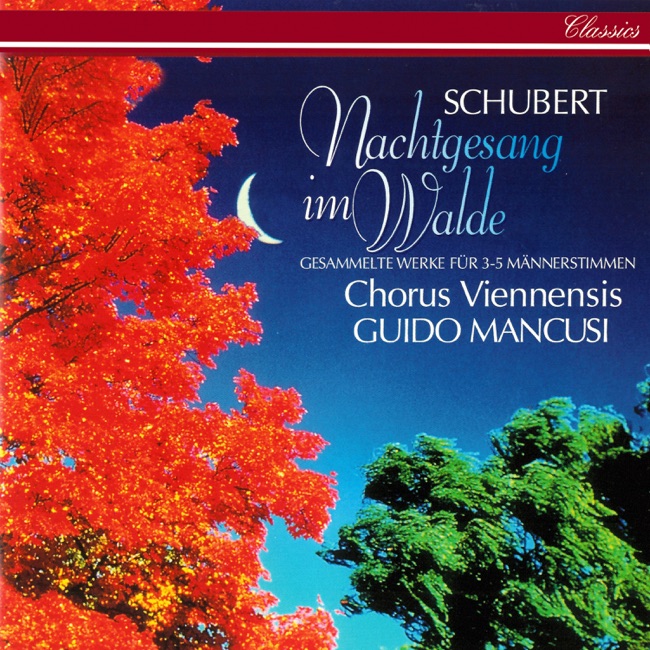
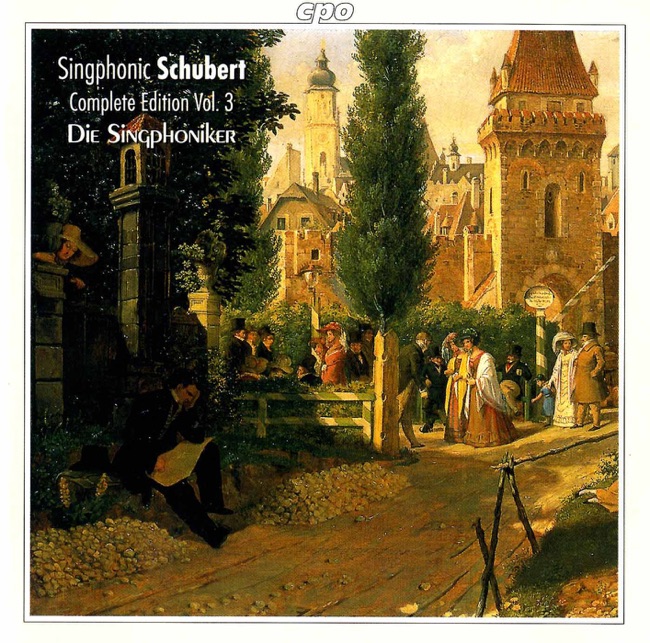
Featured Album
Works Info
Composer:Franz SchubertGenre:ChoralStyle:QuartetCompose Date:Apr 1819Average_duration:4:22Franz Schubert's 'Ruhe, schönstes Glück der Erde' is a Lied (art song) composed in 1819. The premiere of the song is not known, but it was published posthumously in 1895. The song has a simple structure with a single strophic form, meaning that the same music is repeated for each verse of the poem. The poem was written by Johann Gabriel Seidl, a friend of Schubert's, and it speaks of the beauty and tranquility of nature. The song is in the key of G major and has a moderate tempo. The piano accompaniment is simple and repetitive, with a gentle arpeggio pattern that creates a peaceful atmosphere. The vocal melody is also simple, with a range of only a few notes, but it is expressive and conveys the emotions of the text. The first verse of the poem describes the beauty of nature, with references to the sun, the sky, and the trees. The second verse speaks of the peace and tranquility that can be found in nature, away from the noise and chaos of the city. The final verse expresses the desire to remain in this peaceful state forever, with the repeated refrain of "Ruhe, schönstes Glück der Erde" (Peace, the most beautiful happiness on earth). Overall, 'Ruhe, schönstes Glück der Erde' is a simple and beautiful song that captures the essence of Schubert's Lieder. It is a testament to his ability to create music that is both expressive and accessible, and it remains a beloved piece in the repertoire of classical vocal music.More....
Works Music
Released Music


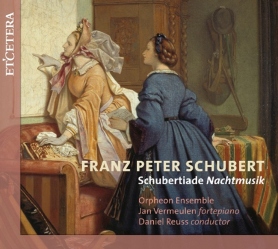
5
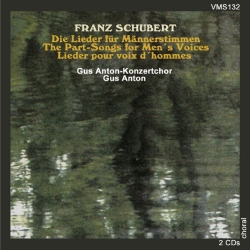
3:51
6
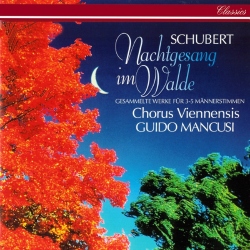
4:29
Featured Music