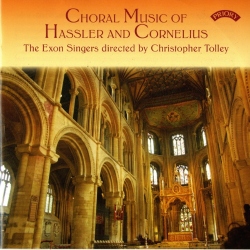
Hans Leo Hassler
Deus Noster Refugium
Released Album
Recent Album
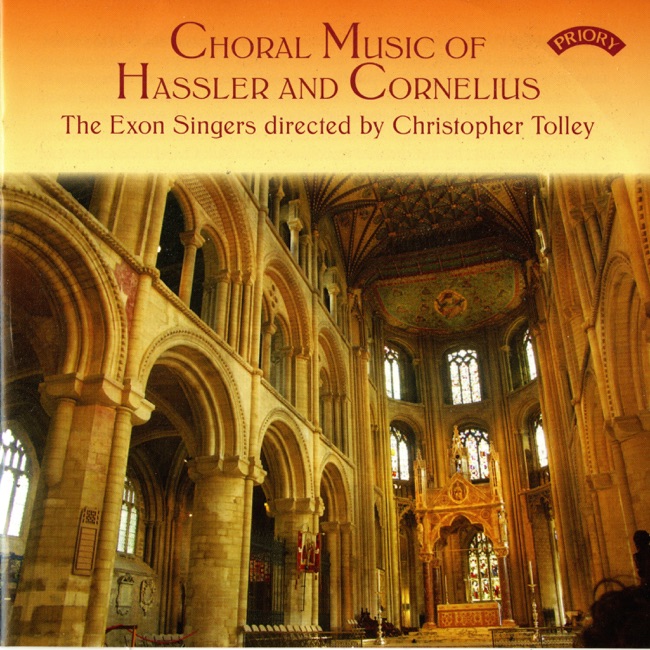
Works Info
Composer:Hans Leo HasslerGenre:ChoralStyle:ChoralAverage_duration:3:50Hans Leo Hassler's "Deus Noster Refugium" is a sacred motet composed in the late 16th century. The piece was likely composed in the early 1590s, during Hassler's time in Venice, Italy. It was first published in 1598 in Hassler's collection "Cantiones Sacrae." "Deus Noster Refugium" is a six-voice motet, with two soprano, alto, tenor, and bass parts. The piece is in Latin and is based on Psalm 46, which begins with the words "Deus noster refugium et virtus" (God is our refuge and strength). The text speaks of God's protection and power, and Hassler's setting of the text reflects this with its grand and majestic sound. The motet is divided into three movements, each with its own distinct character. The first movement is marked "Allegro," and it begins with a lively and rhythmic section in which the voices imitate each other. This section is followed by a more subdued section in which the voices sing in homophony, or together in harmony. The movement ends with a return to the lively opening section. The second movement is marked "Adagio," and it is a more contemplative and introspective section. The voices sing in a more free and expressive manner, with long, flowing lines that reflect the text's emphasis on God's protection and comfort. The final movement is marked "Allegro," and it is a triumphant and joyful section that celebrates God's power and might. The voices sing in a more declamatory style, with bold and confident rhythms that reflect the text's emphasis on God's strength and protection. Overall, "Deus Noster Refugium" is a powerful and expressive motet that showcases Hassler's skill as a composer. Its grand and majestic sound, combined with its expressive and contemplative moments, make it a timeless masterpiece of sacred music.More....
Works Music