


Antonio Vivaldi
Trio Sonata for 2 violins & continuo in B flat major, RV 77
Released Album
Recent Album
Works Info
Composer:Antonio VivaldiGenre:ChamberStyle:SonataCompose Date:before 1742Average_duration:12:40Movement_count:3Movement ....Antonio Vivaldi's Trio Sonata for 2 violins & continuo in B flat major, RV 77, was composed in the early 18th century. The exact date of composition is unknown, but it is believed to have been written between 1710 and 1720. The piece was premiered in Venice, Italy, where Vivaldi was a prominent composer and violinist. The Trio Sonata is divided into four movements: Allegro, Largo, Allegro, and Minuet. The first movement, Allegro, is characterized by its lively and energetic tempo, with the two violins playing in unison and trading off melodic lines. The second movement, Largo, is a slow and expressive piece, with the violins playing in a more lyrical and melodic style. The third movement, Allegro, returns to the lively and energetic tempo of the first movement, with the violins once again playing in unison and trading off melodic lines. The final movement, Minuet, is a dance-like piece with a more relaxed tempo, featuring a simple and elegant melody. The Trio Sonata is notable for its use of the continuo, a type of accompaniment that was common in Baroque music. The continuo is played by a harpsichord or other keyboard instrument, along with a bass instrument such as a cello or bassoon. In the Trio Sonata, the continuo provides a rich and harmonious foundation for the two violins, adding depth and complexity to the overall sound of the piece. Overall, the Trio Sonata for 2 violins & continuo in B flat major, RV 77, is a prime example of Vivaldi's skill as a composer and his mastery of the Baroque style. Its lively and energetic movements, expressive melodies, and use of the continuo make it a beloved piece of classical music that continues to be performed and enjoyed by audiences around the world.More....
Works Music
Released Music
1
5:4
2
5:8
3
5:27
4
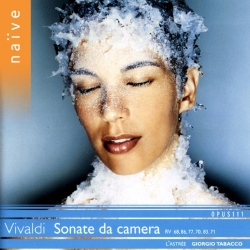
4:22
5
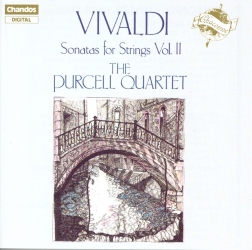
2:23