Carl Loewe
Das Pfarrjüngferchen, Op. 62/10
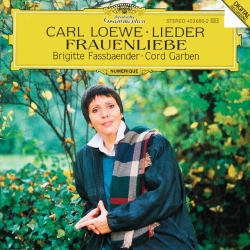
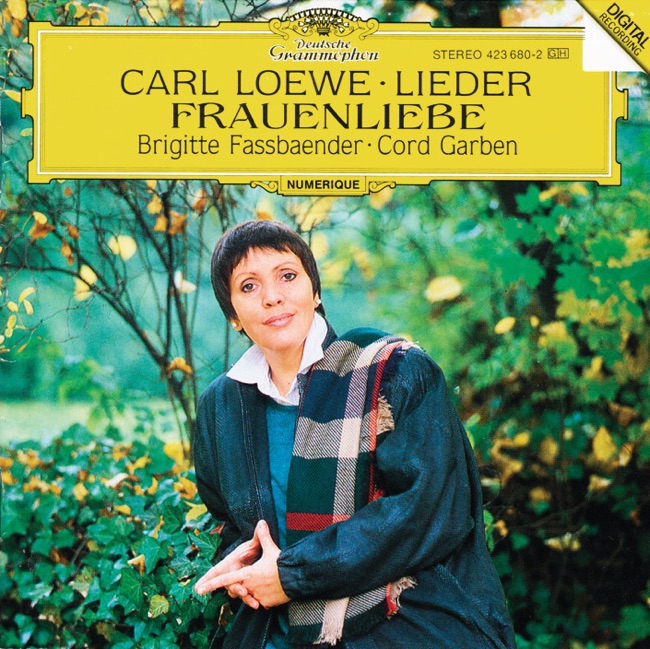
Released Album
Recent Album
Works Info
Composer:Carl LoeweGenre:VocalStyle:SongPublication Date:1837Average_duration:2:21"Das Pfarrjüngferchen, Op. 62/10" is a song composed by Carl Loewe, a German composer of the Romantic era. The song was composed in 1842 and premiered in the same year. It is part of a larger collection of songs called "Bilder des Orients" (Pictures of the Orient). The song is written for a solo voice and piano accompaniment. It is in the key of G minor and has a moderate tempo. The song is divided into three distinct sections or movements. The first movement is slow and melancholic, with a mournful melody that sets the tone for the rest of the piece. The second movement is faster and more lively, with a playful melody that contrasts with the first movement. The third movement returns to the slower, more melancholic tone of the first movement, bringing the piece to a somber conclusion. The lyrics of the song tell the story of a young altar boy who is in love with a girl from his village. Despite his love for her, he is unable to express his feelings because of his position in the church. The song explores themes of unrequited love, duty, and sacrifice. One of the most notable characteristics of "Das Pfarrjüngferchen, Op. 62/10" is its use of chromaticism. Loewe employs chromatic harmonies and melodies throughout the piece, creating a sense of tension and unease that reflects the emotional turmoil of the protagonist. The song also features a number of dynamic contrasts, with sudden shifts between loud and soft passages that add to the dramatic effect of the piece. Overall, "Das Pfarrjüngferchen, Op. 62/10" is a powerful and emotional song that showcases Loewe's skill as a composer. Its use of chromaticism and dynamic contrasts make it a challenging piece for performers, but also a rewarding one for those who are able to master its complexities.More....
Works Music