


Franz Benda
Sonata for flute & continuo in G major, L. III-74
Released Album
Recent Album
Works Info
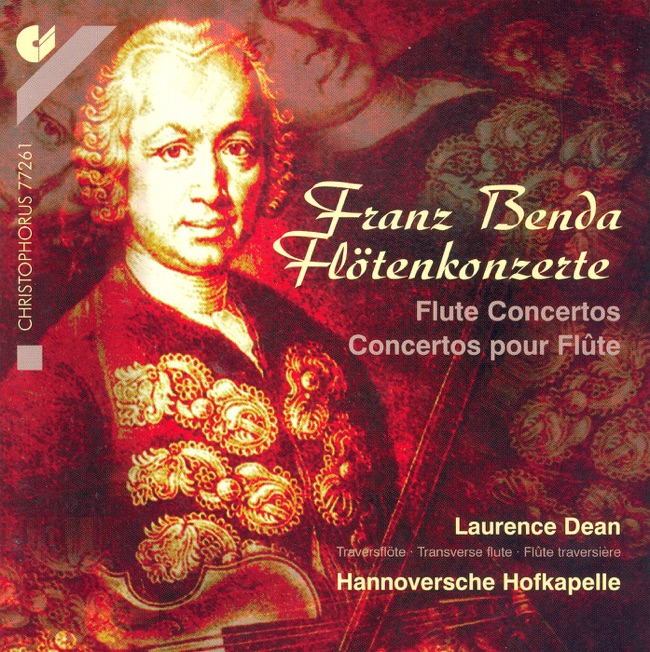
Composer:Franz BendaGenre:ChamberStyle:SonataAverage_duration:11:00Movement_count:3Movement ....The 'Sonata for flute & continuo in G major, L. III-74' was composed by Franz Benda, a German violinist and composer, in the mid-18th century. The exact date of composition is unknown, but it is believed to have been written between 1740 and 1760. The sonata was premiered in the court of Frederick the Great in Berlin, where Benda was employed as a court musician. The sonata consists of three movements: Allegro, Adagio, and Presto. The first movement, Allegro, is in a fast tempo and is characterized by its lively and playful melody. The flute and continuo engage in a lively dialogue, with the flute taking the lead in the melody and the continuo providing a supportive accompaniment. The second movement, Adagio, is in a slow tempo and is characterized by its lyrical and expressive melody. The flute takes center stage in this movement, with the continuo providing a gentle and understated accompaniment. The third movement, Presto, is in a fast tempo and is characterized by its virtuosic and energetic melody. The flute and continuo engage in a lively and intricate dialogue, with both instruments showcasing their technical prowess. The sonata is notable for its elegant and refined style, which is characteristic of the music of the mid-18th century. The flute and continuo are treated as equal partners in the composition, with both instruments given ample opportunity to shine. The sonata is also notable for its use of ornamentation, which was a common feature of Baroque and early Classical music. The ornamentation adds a sense of elegance and sophistication to the composition, and showcases the technical skill of the performers. Overall, the 'Sonata for flute & continuo in G major, L. III-74' is a charming and elegant composition that showcases the technical skill and musicality of both the composer and the performers. Its refined style and use of ornamentation make it a quintessential example of mid-18th century music.More....
Works Music
Released Music
1
3:55
2
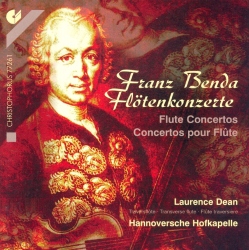
2:25
3
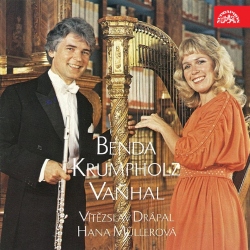
9:40