


Felix Mendelssohn
Suleika "Was bedeutet die Bewegung", Op. 57/3
Released Album
Recent Album




Works Info
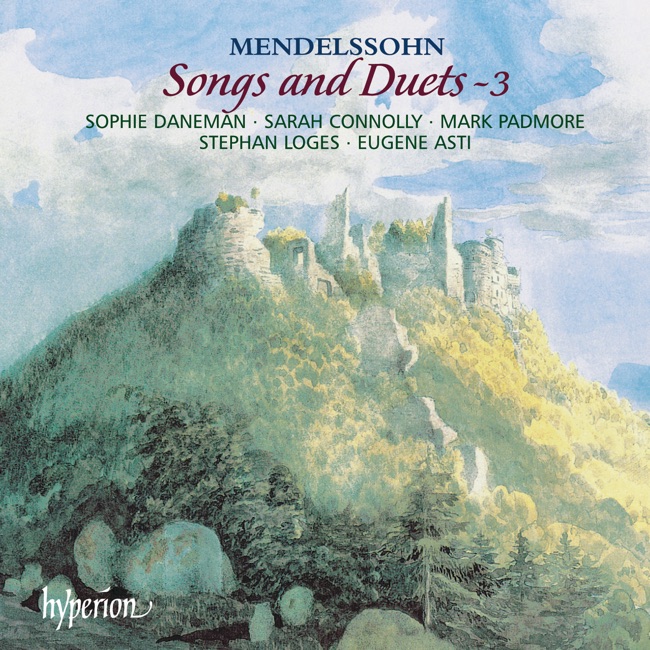
Composer:Felix MendelssohnGenre:VocalStyle:Vocal MusicPublication Date:1843Average_duration:3:09"Suleika Was bedeutet die Bewegung" is a song composed by Felix Mendelssohn in 1841. It is the third song in his Op. 57 collection, which consists of six songs based on poems by Goethe. The song was premiered in Leipzig on January 17, 1842, with the composer at the piano and the tenor Julius Stockhausen singing. The song is in A minor and has a moderate tempo. It is in a modified strophic form, with the first and third verses having the same music and the second verse having a different melody. The piano accompaniment is relatively simple, with a repeated pattern of broken chords and occasional flourishes. The text of the song is a poem by Goethe, which tells the story of Suleika, a young woman who is asked by her lover what the movement of the stars means. Suleika responds that the stars are like the hearts of lovers, who are drawn together by an irresistible force. The poem is full of romantic imagery, with references to the moon, the nightingale, and the rose. Mendelssohn's setting of the poem is characterized by its simplicity and elegance. The melody is lyrical and expressive, with a gentle rise and fall that mirrors the ebb and flow of the poem's emotions. The piano accompaniment provides a delicate and supportive backdrop, with occasional bursts of energy that reflect the passion of the text. Overall, "Suleika Was bedeutet die Bewegung" is a beautiful and heartfelt song that showcases Mendelssohn's skill as a composer of lieder. Its combination of simple elegance and emotional depth make it a timeless classic of the genre.More....
Works Music
Released Music


4

2:52
5
3:16