Franz Liszt
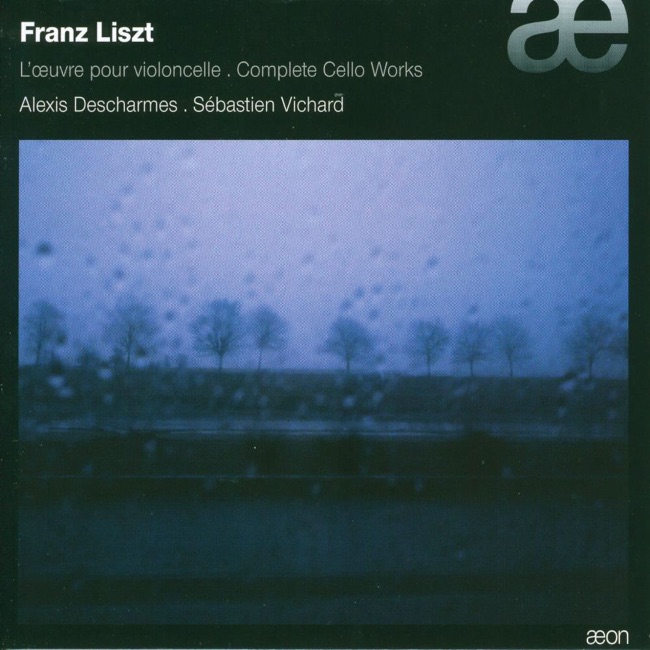
Tristia, from Vallée d'Obermann (III), S. 378c
Released Album
Recent Album


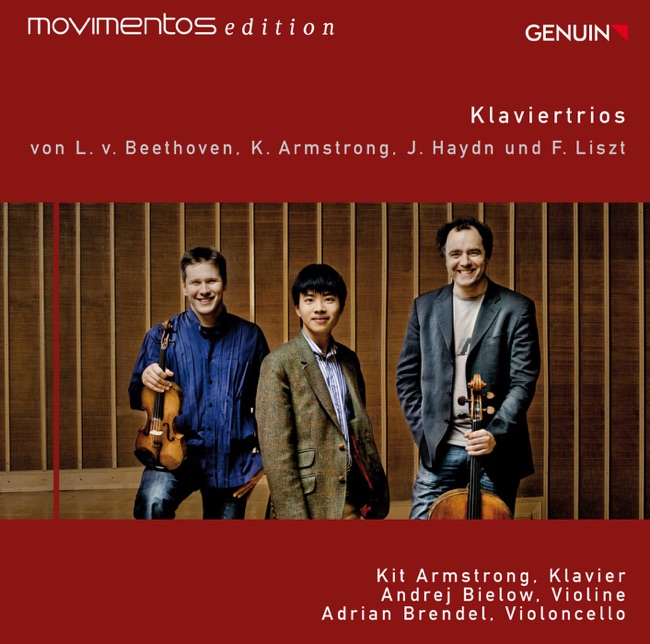
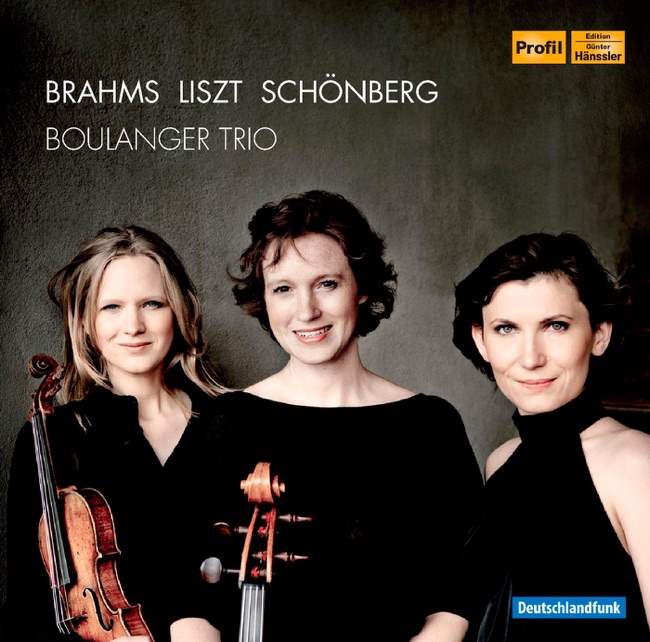

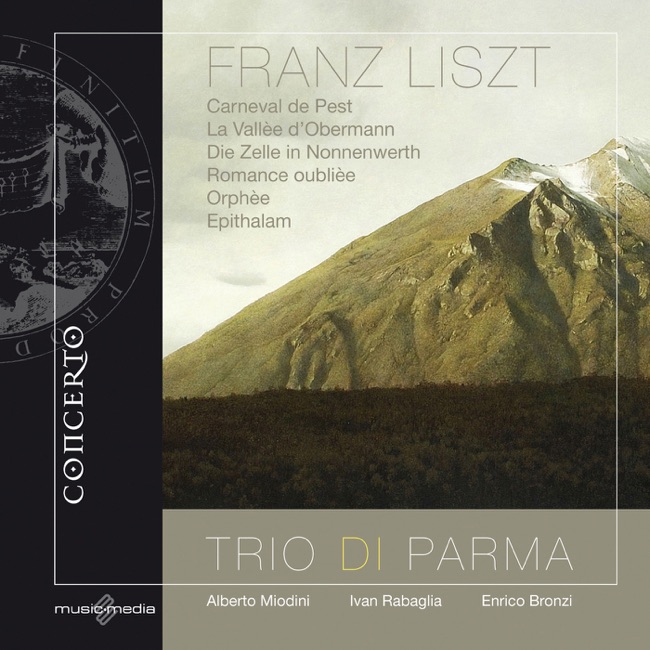

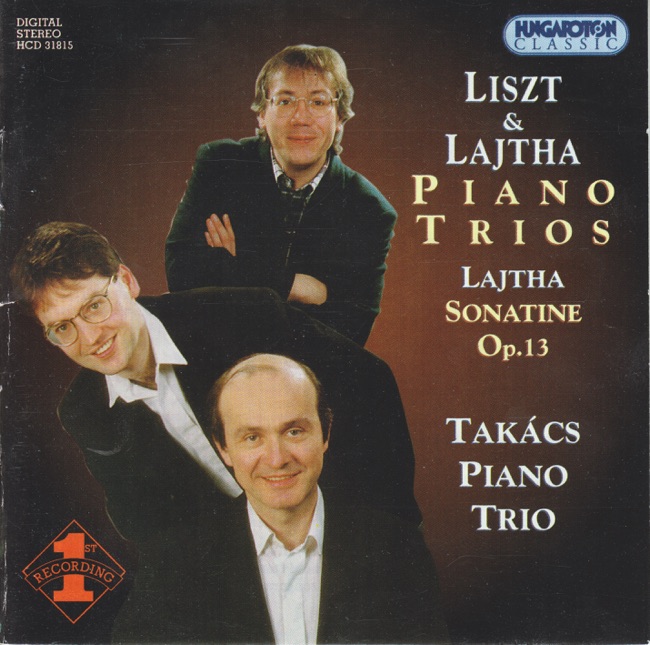
Featured Album
Works Info
Composer:Franz LisztGenre:ChamberStyle:Chamber MusicCompose Date:1880Publication Date:2001Average_duration:14:19"Tristia, from Vallée d'Obermann (III), S. 378c" is a piano piece composed by Franz Liszt in 1848. It is part of a larger work called "Années de pèlerinage" (Years of Pilgrimage), which is a collection of three suites that Liszt composed during his travels throughout Europe. The third suite, which includes "Tristia," is titled "Vallée d'Obermann" and is inspired by the novel "Obermann" by Étienne Pivert de Senancour. "Tristia" is a single movement piece that is approximately 10 minutes in length. It is a slow and melancholic piece that is characterized by its use of chromaticism and dissonance. The piece begins with a simple melody that is repeated throughout the piece, but is gradually developed and transformed. The use of rubato, or the stretching and contracting of time, is also a prominent feature of the piece. The premiere of "Tristia" is not well-documented, but it is likely that Liszt performed it himself during one of his many concerts throughout Europe. The piece was published in 1855 as part of the second volume of "Années de pèlerinage." Overall, "Tristia" is a hauntingly beautiful piece that showcases Liszt's mastery of the piano and his ability to evoke powerful emotions through music. Its use of chromaticism and dissonance foreshadows the music of the late Romantic period, and its melancholic tone reflects the mood of the time in which it was composed.More....
Works Music
Released Music

3

17:

8

16:10
10

16:34
Featured Music