


Girolamo Frescobaldi
Ricercari, et canzoni franzese, Vol. 1 No. 10, Recercar Decimo. Obligo la, fa, sol, la, fa, re, for keyboard in A minor
Released Album
Recent Album
Works Info
Composer:Girolamo FrescobaldiGenre:KeyboardStyle:RicercarPublication Date:1615Average_duration:4:14Girolamo Frescobaldi was an Italian composer and keyboard player of the Baroque era. He was born in Ferrara in 1583 and died in Rome in 1643. He was one of the most important composers of keyboard music in the early Baroque period, and his works had a significant influence on the development of keyboard music in Italy and beyond. The Ricercari, et canzoni franzese, Vol. 1 No. 10, Recercar Decimo. Obligo la, fa, sol, la, fa, re, for keyboard in A minor is one of Frescobaldi's most famous works. It was composed in the early 17th century and was first published in 1615. The piece is a ricercar, which is a type of instrumental composition that was popular in the Renaissance and Baroque periods. The ricercar is characterized by its contrapuntal texture, which features multiple independent voices that are woven together in a complex and intricate manner. The Recercar Decimo is divided into three movements. The first movement is in A minor and is marked by a slow and solemn tempo. The second movement is in F major and is faster and more lively than the first. The third movement is in A minor and is marked by a return to the slow and solemn tempo of the first movement. The Recercar Decimo is notable for its use of the "obligo" technique, which involves the repetition of a particular melodic or harmonic pattern throughout the piece. In this case, the pattern is based on the notes la, fa, sol, la, fa, re, which are repeated throughout the piece in various forms and permutations. This technique gives the piece a sense of unity and coherence, despite its complex and intricate contrapuntal texture. Overall, the Recercar Decimo is a masterpiece of keyboard music that showcases Frescobaldi's skill as a composer and keyboard player. Its intricate contrapuntal texture, use of the obligo technique, and three-movement structure make it a significant work in the history of keyboard music.More....
Works Music
Released Music
1
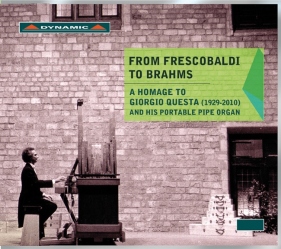
Ricercari, et canzone franzese, Vol. 1 No. 10, Recercar Decimo. Obligo la, fa, sol, la, fa, re, for keyboard in A minor
Recercar decimo sopra La, Fa, Sol, La, Re
6:36
2
3:16
3
3:50
4
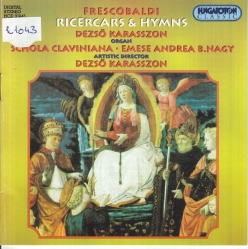
3:43