


Franz Liszt
Hungarian Rhapsody, for violin, cello & piano in No. 9 in E flat major, S. 379a "Carnival in Pest"
Released Album
Recent Album
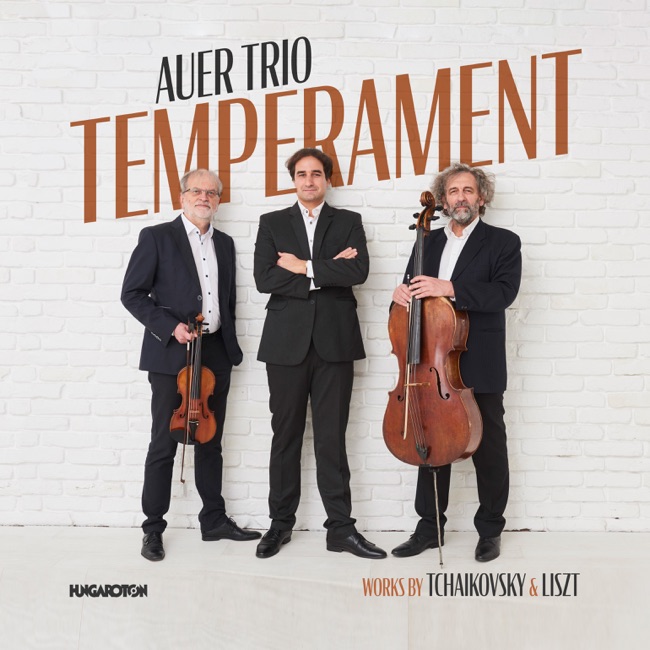
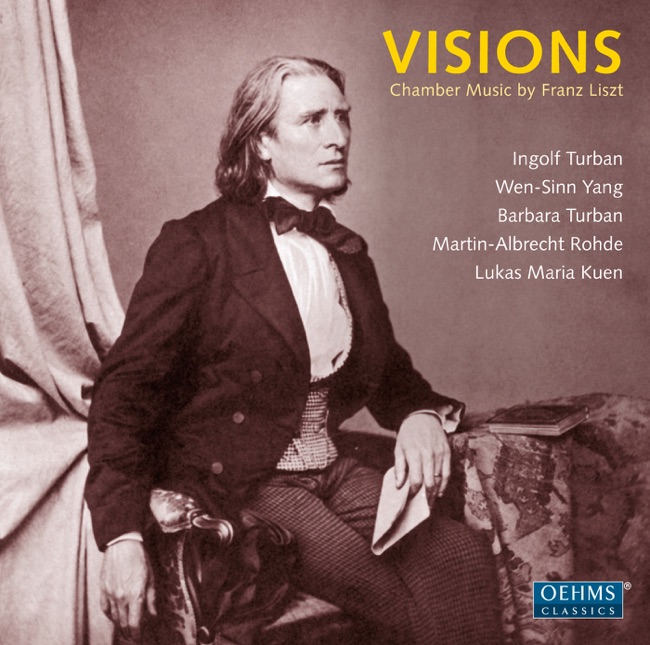
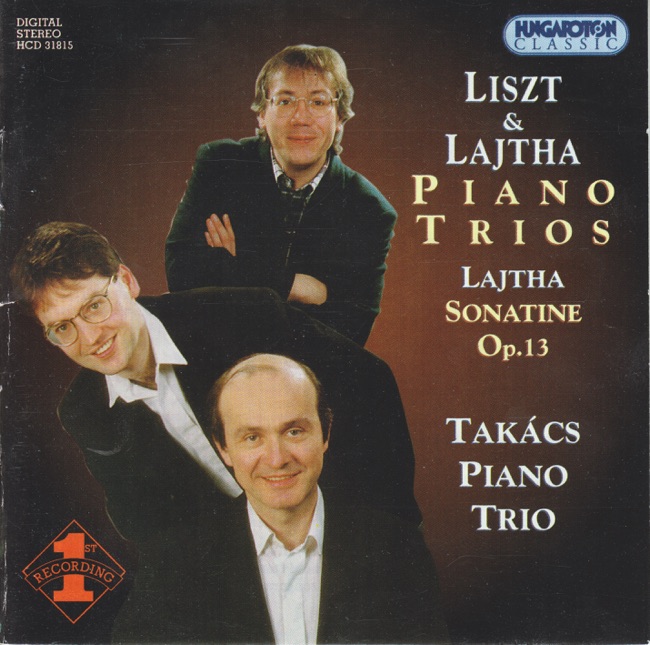
Works Info
Composer:Franz LisztGenre:ChamberStyle:Chamber MusicCompose Date:1850Publication Date:1888Average_duration:10:35Franz Liszt's Hungarian Rhapsody No. 9 in E flat major, S. 379a Carnival in Pest was composed in 1847 and premiered in the same year in Pest, Hungary. The piece is written for violin, cello, and piano and is part of a set of 19 Hungarian Rhapsodies that Liszt composed throughout his career. The piece is divided into two movements, with the first movement being a lively and energetic dance in a fast tempo. The second movement is a slower, more lyrical section that features a beautiful melody played by the violin and cello. One of the most notable characteristics of the piece is its use of Hungarian folk melodies and rhythms. Liszt was deeply influenced by the music of his homeland and incorporated these elements into many of his compositions, including the Hungarian Rhapsodies. The Carnival in Pest is a particularly lively and joyful piece, with its fast-paced rhythms and virtuosic passages for all three instruments. The piece is also notable for its use of improvisation, with Liszt leaving many sections open for the performers to add their own flourishes and embellishments. Overall, Liszt's Hungarian Rhapsody No. 9 in E flat major, S. 379a Carnival in Pest is a vibrant and exciting piece that showcases the composer's love for Hungarian music and his virtuosic abilities as a pianist and composer.More....
Works Music
Released Music
1
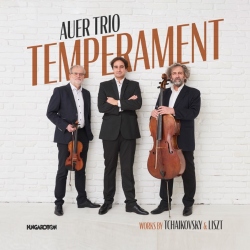
Hungarian Rhapsody, for violin, cello & piano in No. 9 in E flat major, p. 379a "Carnival in Pest"
Hungarian Rhapsody No. 9 "Esther Carnival" - for Piano, Violin, and Cello
13:33
2
9:1
3
4:24
4
6:58