Fanny Mendelssohn
Oratorio on Scenes from the Bible
Released Album
Recent Album
Works Info
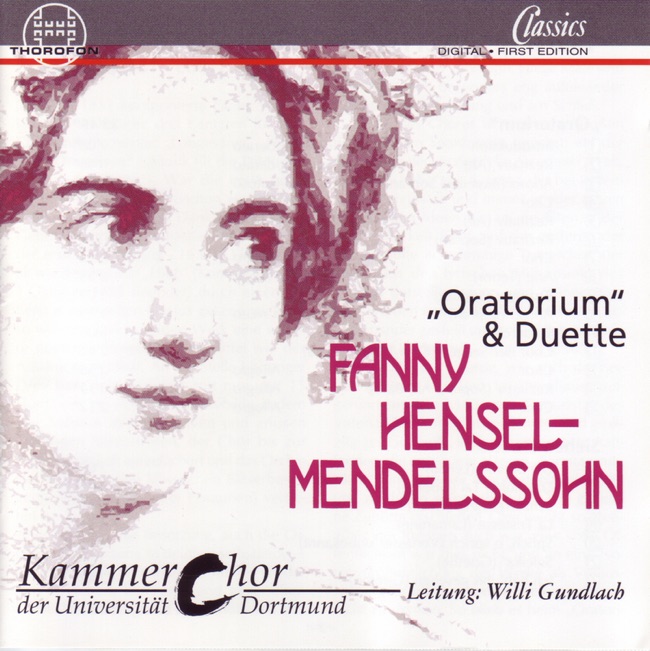
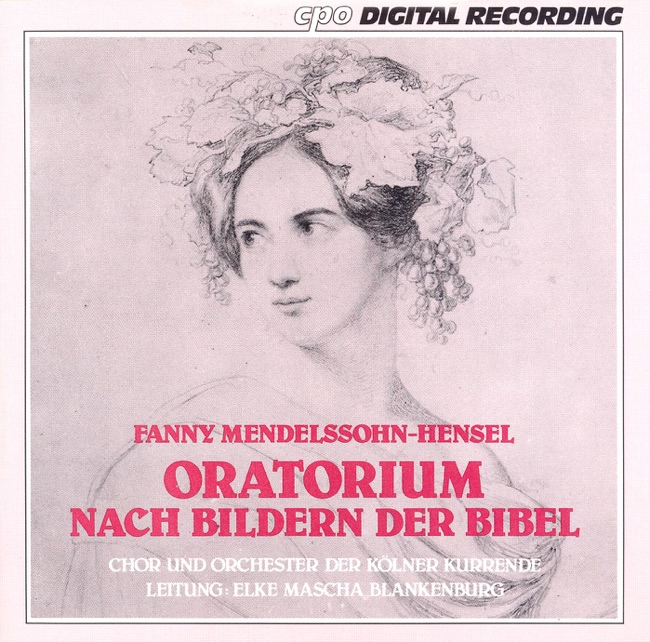
Composer:Fanny MendelssohnGenre:ChoralStyle:OratorioCompose Date:1831Average_duration:34:07Movement_count:15Movement ....Fanny Mendelssohn's 'Oratorio on Scenes from the Bible' is a choral work that was composed in 1831. The piece was premiered in Berlin in 1834, and it consists of six movements that are based on biblical texts. The oratorio is a significant work in Mendelssohn's oeuvre, as it showcases her skill as a composer and her deep understanding of religious texts. The first movement of the oratorio is titled 'The Creation,' and it is based on the book of Genesis. The movement begins with a slow, contemplative section that depicts the darkness before the creation of the world. The music gradually builds in intensity as the text describes the creation of light, the separation of the waters, and the formation of the earth. The movement ends with a triumphant chorus that celebrates the beauty and wonder of God's creation. The second movement, 'The Fall of Man,' is based on the story of Adam and Eve in the Garden of Eden. The music is somber and reflective, with a sense of sadness and regret that permeates the entire movement. The chorus sings of the temptation of the serpent, the eating of the forbidden fruit, and the expulsion from the garden. The movement ends with a plea for forgiveness and redemption. The third movement, 'The Flood,' is based on the story of Noah and the ark. The music is dramatic and intense, with a sense of urgency and danger that reflects the catastrophic nature of the flood. The chorus sings of the rain that falls for forty days and nights, the rising waters that cover the earth, and the salvation of Noah and his family. The movement ends with a hymn of thanksgiving for God's mercy and protection. The fourth movement, 'The Ten Commandments,' is based on the giving of the law to Moses on Mount Sinai. The music is majestic and awe-inspiring, with a sense of reverence and holiness that befits the sacred nature of the text. The chorus sings of the commandments that God gives to his people, the covenant that he makes with them, and the promise of blessings for those who obey. The movement ends with a hymn of praise to God's wisdom and justice. The fifth movement, 'The Life of Christ,' is based on the Gospels of Matthew, Mark, Luke, and John. The music is varied and expressive, with a range of moods and emotions that reflect the different episodes in Christ's life. The chorus sings of his birth, his teachings, his miracles, his suffering, and his resurrection. The movement ends with a hymn of triumph that celebrates Christ's victory over death and sin. The sixth and final movement, 'The Last Judgment,' is based on the book of Revelation. The music is powerful and apocalyptic, with a sense of awe and terror that reflects the final judgment of all humanity. The chorus sings of the coming of the Son of Man, the separation of the righteous and the wicked, and the eternal destiny of each soul. The movement ends with a hymn of adoration to God, who is the judge of all the earth. Overall, Fanny Mendelssohn's 'Oratorio on Scenes from the Bible' is a masterful work that combines musical beauty with spiritual depth. The six movements are united by a common theme of God's relationship with humanity, and they offer a profound meditation on the nature of faith, sin, redemption, and judgment. The oratorio is a testament to Mendelssohn's talent as a composer and her commitment to her religious beliefs.More....
Works Music
Released Music