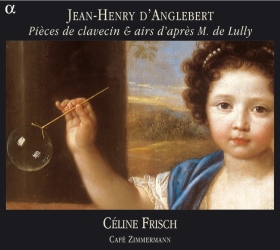
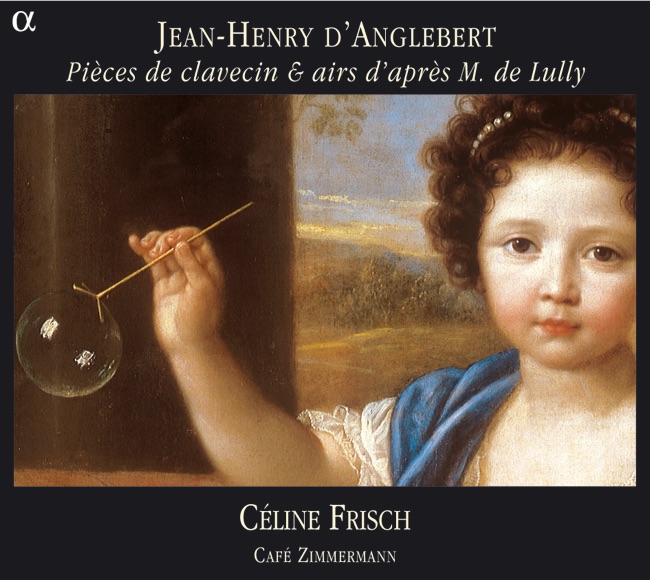
Jean-Henri d'Anglebert
Troisieme Fugue sur le Même Sujet
Released Album
Recent Album
Works Info
Composer:Jean-Henri d'AnglebertGenre:KeyboardStyle:FugueAverage_duration:2:32Jean-Henri d'Anglebert was a French harpsichordist and composer who lived from 1629 to 1691. He was a prominent figure in the French Baroque music scene and was known for his keyboard compositions. One of his most famous works is the "Troisieme Fugue sur le Même Sujet," which was composed in the late 17th century. The "Troisieme Fugue sur le Même Sujet" is a keyboard composition that is written in the form of a fugue. It is the third fugue that d'Anglebert composed on the same subject, which is a common practice in Baroque music. The piece is written in the key of D minor and is made up of four movements. The first movement of the "Troisieme Fugue sur le Même Sujet" is the exposition. This is where the subject is introduced and developed. The subject is a short melody that is repeated throughout the piece. In the exposition, the subject is presented in the bass voice and is then imitated by the other voices. The second movement is the development. This is where the subject is developed and expanded upon. D'Anglebert uses various techniques such as inversion, augmentation, and diminution to create new melodies based on the subject. The development section is the longest part of the piece and is where d'Anglebert shows off his skill as a composer. The third movement is the recapitulation. This is where the subject is restated in its original form. The recapitulation is similar to the exposition, but the voices are often inverted or switched around to create a new texture. The final movement is the coda. This is where the piece comes to a close. D'Anglebert uses a variety of techniques to bring the piece to a satisfying conclusion. The coda is often fast-paced and virtuosic, showcasing the performer's skill on the keyboard. Overall, the "Troisieme Fugue sur le Même Sujet" is a complex and challenging piece of music. It requires a high level of skill and technique to perform, and it is a testament to d'Anglebert's talent as a composer. The piece premiered in the late 17th century and has since become a staple of the Baroque keyboard repertoire.More....
Works Music