Johannes Brahms
Therese, Op. 86/1
Released Album
Recent Album
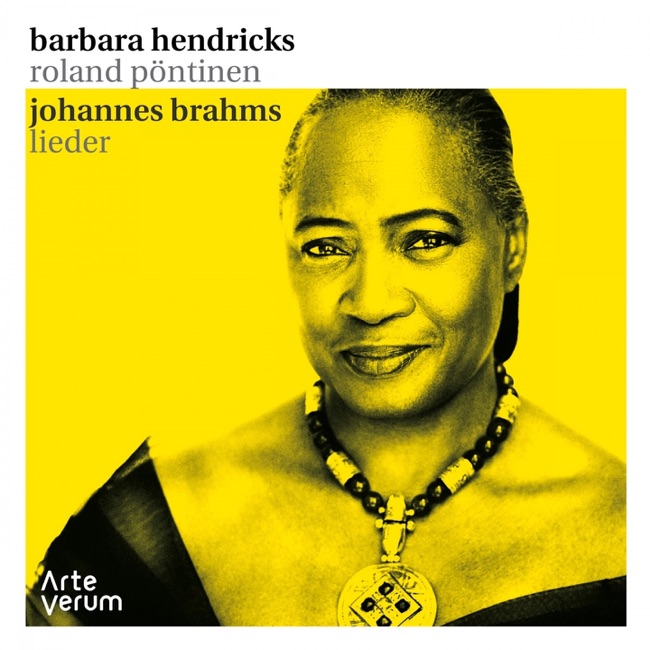
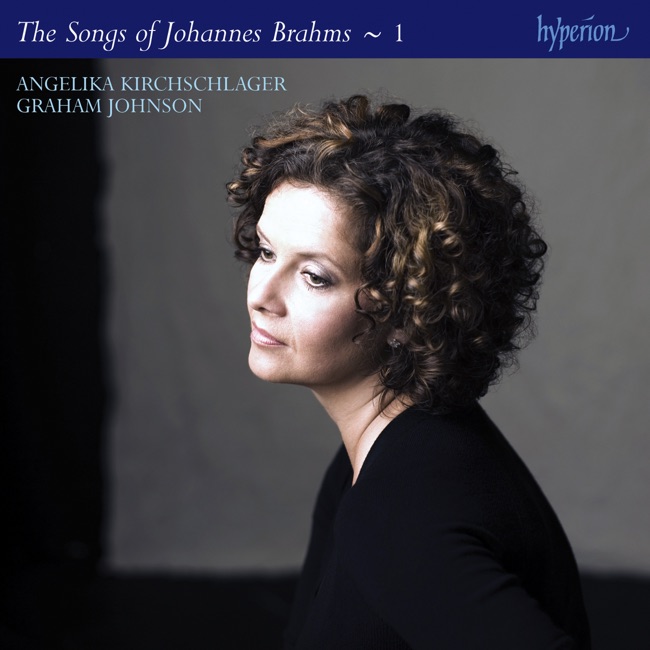
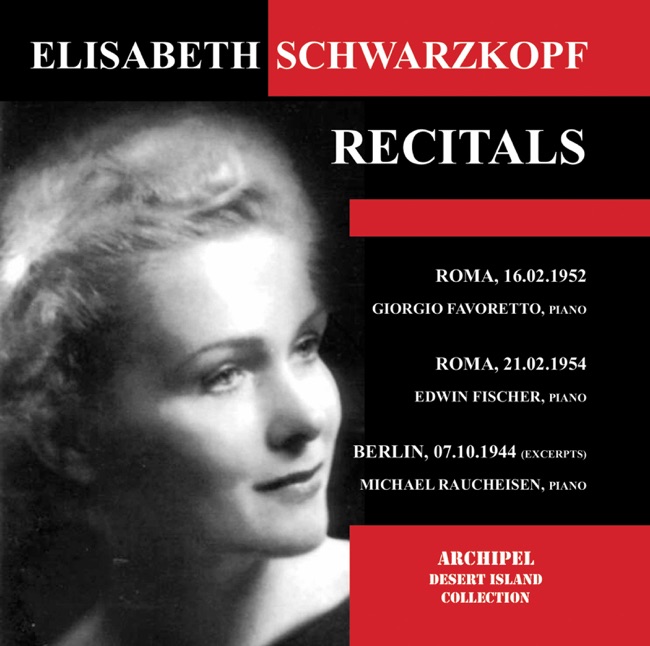
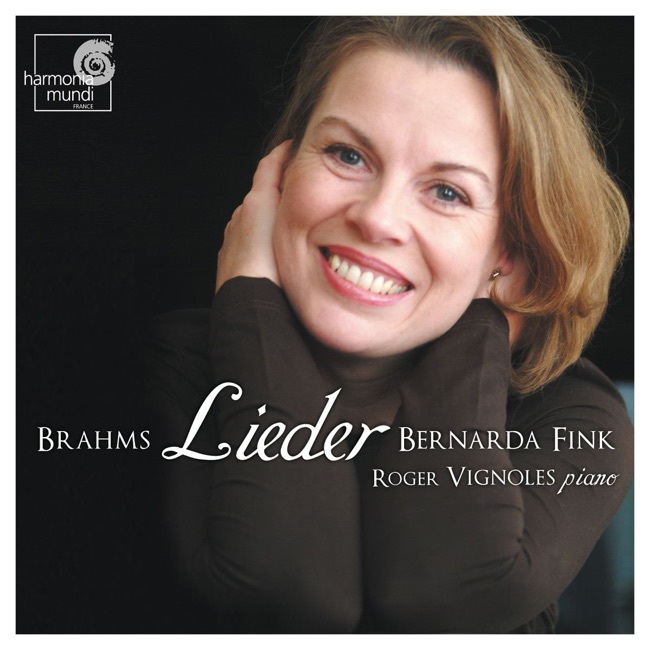
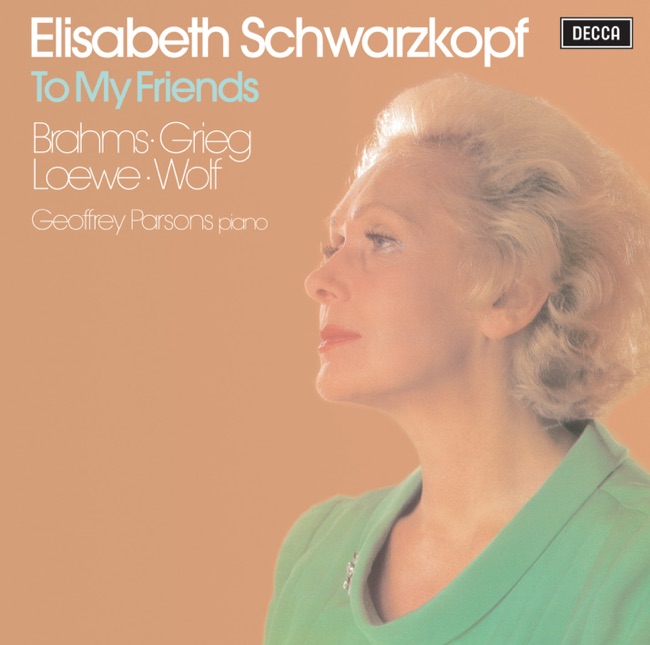
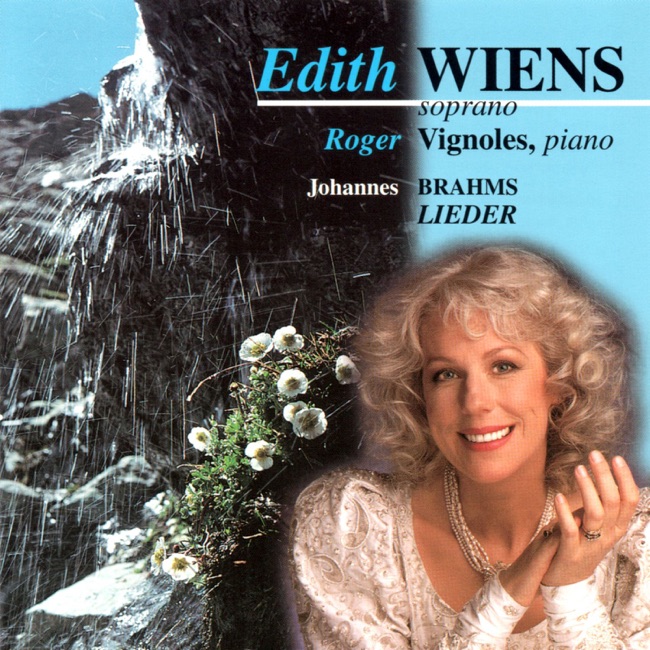
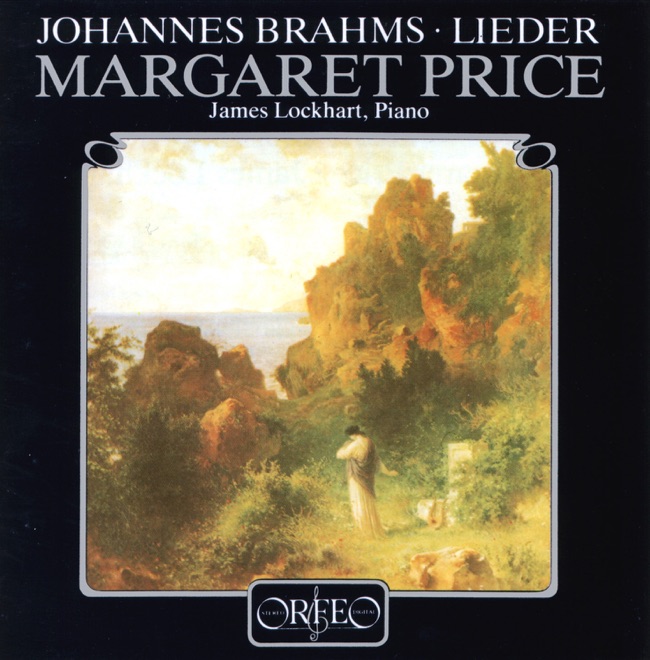

Works Info
Composer:Johannes BrahmsGenre:VocalStyle:SongCompose Date:1878Average_duration:1:34Therese, Op. 86/1 is a song composed by Johannes Brahms in 1877. It was premiered on January 22, 1878, in Vienna, Austria. The song is part of a collection of six songs, Op. 86, which Brahms composed for voice and piano. Therese, Op. 86/1 is a single movement song that lasts approximately three minutes. The song is written in the key of E-flat major and is marked Andante con moto, which means moderately slow with motion. The song's tempo and key signature give it a gentle and flowing character. The song's lyrics were written by Johann Wolfgang von Goethe and tell the story of a young woman named Therese who is in love with a man who does not return her affections. The song's melody and accompaniment reflect the melancholic and bittersweet nature of the lyrics. The song begins with a gentle piano introduction that sets the mood for the piece. The singer enters with the first verse, singing of Therese's unrequited love. The melody is simple and flowing, with occasional moments of tension and release. The piano accompaniment is delicate and supportive, providing a gentle foundation for the singer's voice. The second verse of the song introduces a new melody that is more passionate and expressive than the first. The singer sings of Therese's longing for her lover and her despair at his indifference. The piano accompaniment becomes more complex, with arpeggios and runs that add to the emotional intensity of the song. The final verse of the song returns to the melody of the first verse, but with a new sense of resignation and acceptance. The singer sings of Therese's realization that her love will never be returned and her decision to move on. The piano accompaniment becomes simpler and more subdued, reflecting the song's resolution. Overall, Therese, Op. 86/1 is a beautiful and poignant song that showcases Brahms' skill as a composer. The song's gentle melody and flowing accompaniment perfectly capture the bittersweet nature of Goethe's lyrics, making it a beloved piece in the classical vocal repertoire.More....
Works Music
Released Music