


Richard Strauss
Xenion, AV 131
Released Album
Recent Album
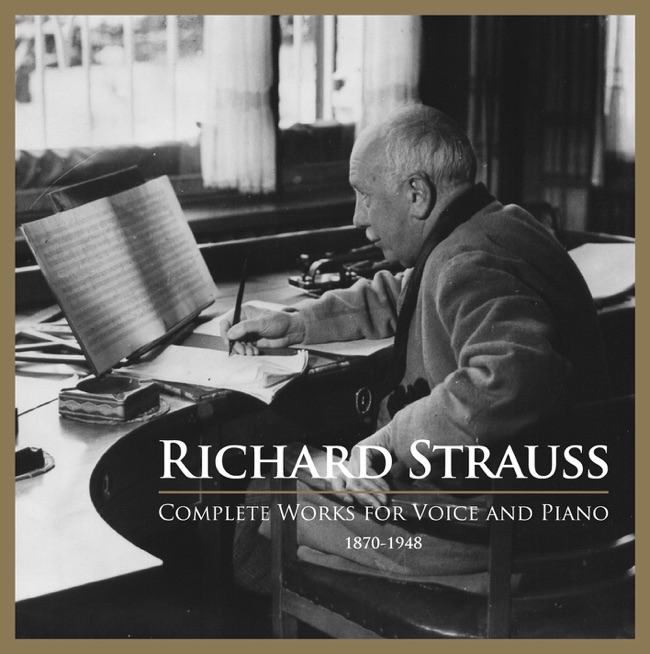
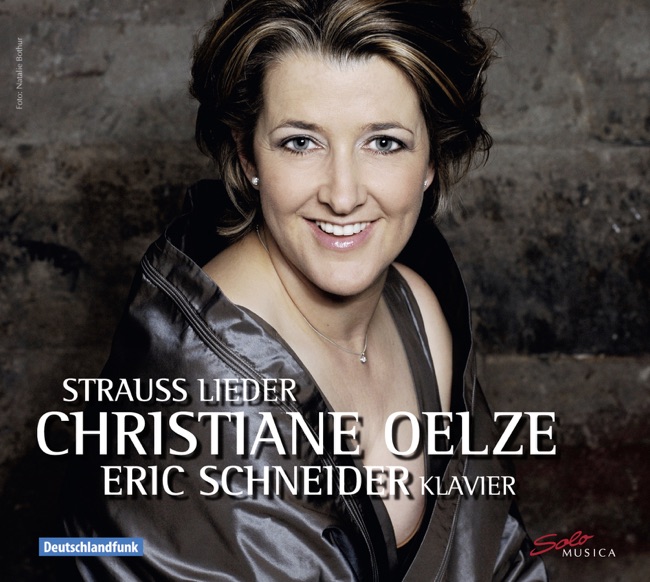
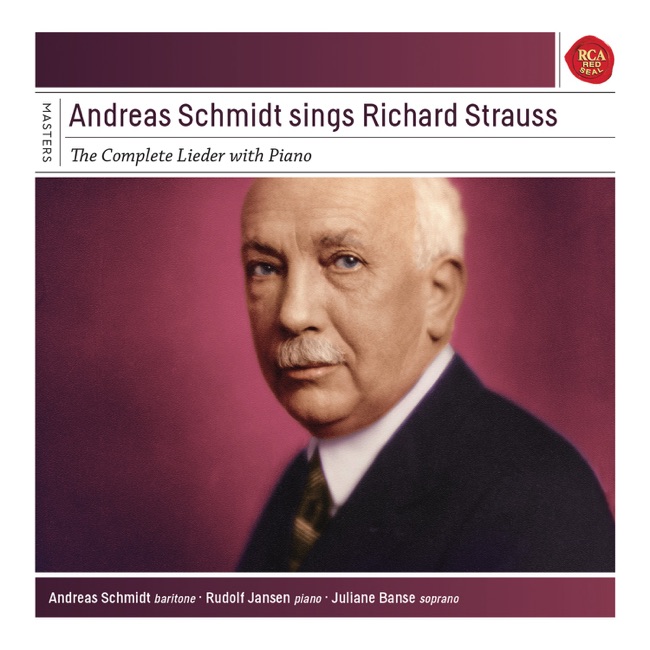
Featured Album

Works Info
Composer:Richard StraussGenre:VocalStyle:SongCompose Date:1942Average_duration:0:21Xenion, AV 131 is a composition by Richard Strauss, a German composer and conductor. It was composed in 1944, during the final years of World War II. The piece was premiered on January 27, 1945, in Vienna, Austria, by the Vienna Philharmonic Orchestra, conducted by Strauss himself. Xenion is a single-movement work that lasts approximately 15 minutes. The piece is characterized by its use of dissonant harmonies, complex rhythms, and unconventional orchestration. Strauss employs a large orchestra, including a wide range of percussion instruments, to create a dense and powerful sound. The piece begins with a slow, ominous introduction, featuring low brass and percussion. This leads into a fast and frenzied section, with the full orchestra playing complex rhythms and dissonant harmonies. The music builds to a climax, with the percussion section playing a prominent role. After the climax, the music becomes more subdued, with a solo violin playing a lyrical melody over a quiet accompaniment. This section is followed by a return to the frenzied music of the opening, with the orchestra playing with even greater intensity than before. The piece ends with a sudden, explosive chord. Xenion is a challenging work for both performers and listeners. Its complex rhythms and dissonant harmonies require a high level of technical skill and musical understanding. The piece is also notable for its use of unconventional orchestration, with Strauss using a wide range of percussion instruments to create a unique and powerful sound. Overall, Xenion is a powerful and intense work that showcases Strauss's mastery of orchestration and his ability to create complex and challenging music. Despite its difficulty, the piece has become a staple of the modern orchestral repertoire and continues to be performed and admired by musicians and audiences around the world.More....
Works Music
Released Music

Featured Music
