William Byrd
Nunc Dimittis, motet for 6 voices
Released Album
Recent Album
Featured Album
Works Info
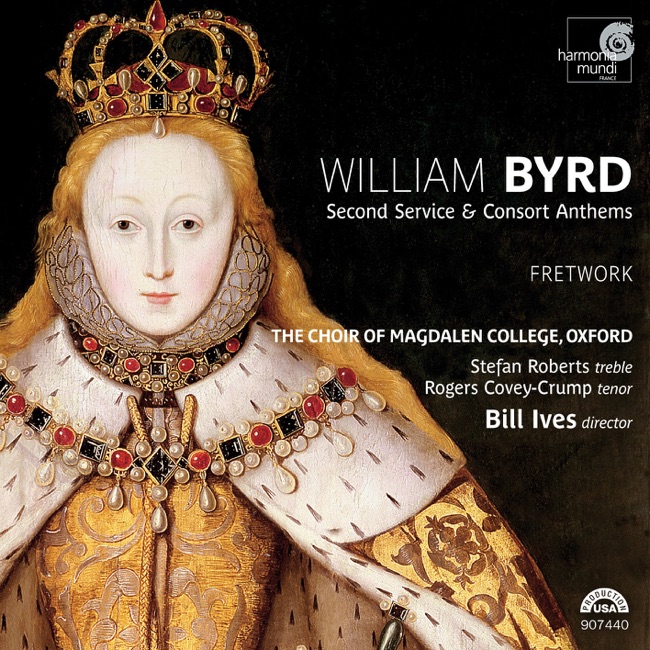
Composer:William ByrdGenre:ChoralStyle:MotetAverage_duration:2:22William Byrd's 'Nunc Dimittis' is a motet for 6 voices that was composed in the late 16th century. The piece was likely composed during Byrd's tenure as a Gentleman of the Chapel Royal, where he served as a composer and organist. The motet was likely composed for use in the liturgy of the Anglican Church, specifically as part of the service of Compline. The 'Nunc Dimittis' is divided into three movements, each of which is characterized by its own unique musical style and texture. The first movement is marked by a flowing, imitative texture, with each voice entering in turn to sing the text "Nunc dimittis servum tuum, Domine" ("Now lettest thou thy servant depart, O Lord"). The second movement is more homophonic in nature, with the voices singing in unison or in simple harmonies. This section features a more declamatory style of singing, with the text "Quia viderunt oculi mei salutare tuum" ("For mine eyes have seen thy salvation") being emphasized through repetition and dynamic contrast. The final movement returns to the imitative texture of the first, with the voices weaving in and out of each other to create a rich and complex tapestry of sound. The text of this section is a repetition of the opening phrase, "Nunc dimittis," which is sung with increasing intensity and urgency as the piece draws to a close. Overall, the 'Nunc Dimittis' is a masterful example of Byrd's skill as a composer of sacred music. The piece is characterized by its rich harmonies, intricate counterpoint, and expressive use of text painting. Byrd's use of different musical textures and styles throughout the piece serves to highlight the various moods and emotions of the text, creating a powerful and moving musical experience for the listener.More....
Works Music
Released Music
Featured Music