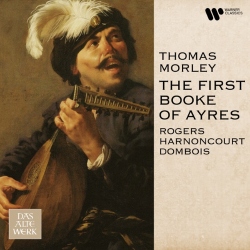
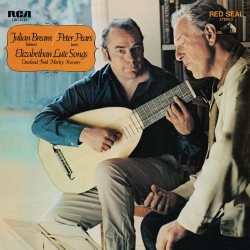
Thomas Morley
Absence, hear thou my protestation
Released Album
Recent Album
Works Info
Composer:Thomas MorleyGenre:VocalStyle:Vocal MusicCompose Date:before 1600Publication Date:1600Average_duration:3:56"Absence, hear thou my protestation" is a madrigal composed by Thomas Morley, an English composer, organist, and theorist of the Renaissance era. The piece was composed in the late 16th century, around 1590, and was first published in his collection of madrigals, "The Triumphs of Oriana" in 1601. The madrigal is written for five voices, with the text taken from a poem by Nicholas Breton. The piece is in a minor key, which adds to the melancholic and mournful tone of the music. The piece is divided into three sections, or movements, each with its own distinct character and mood. The first movement begins with a mournful and plaintive melody in the alto voice, which is then taken up by the other voices in turn. The text speaks of the pain of separation and the longing for the absent lover to return. The music is characterized by its use of dissonance and chromaticism, which adds to the sense of longing and sadness. The second movement is more lively and upbeat, with a faster tempo and a more rhythmic melody. The text speaks of the joy of reunion and the happiness that comes with being reunited with one's beloved. The music is characterized by its use of syncopation and lively rhythms, which convey the sense of joy and celebration. The final movement returns to the mournful and melancholic mood of the first movement. The text speaks of the pain of separation once again, and the music is characterized by its use of dissonance and chromaticism, which adds to the sense of longing and sadness. The piece ends with a final plea to the absent lover to return, with the voices fading away into silence. Overall, "Absence, hear thou my protestation" is a beautiful and poignant example of the English madrigal, with its use of expressive harmonies and vivid word painting. The piece captures the emotions of love and longing in a powerful and moving way, and remains a beloved work of the Renaissance repertoire to this day.More....
Works Music
Released Music