Sebastián de Vivanco
Quis dabit capiti meo aquam
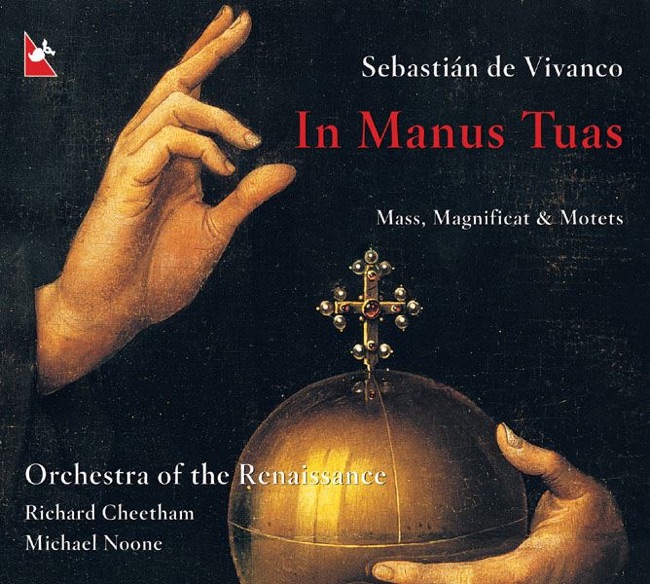
Released Album
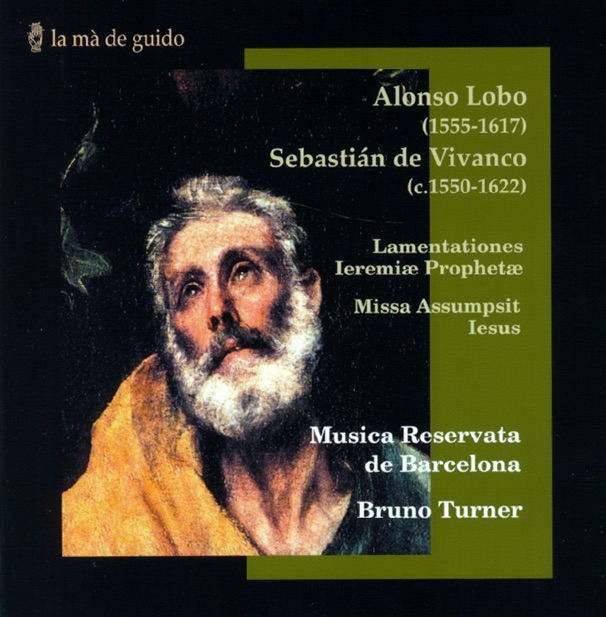
Recent Album
Works Info
Composer:Sebastián de VivancoGenre:ChoralStyle:ChoralAverage_duration:3:15"Quis dabit capiti meo aquam" is a sacred motet composed by Spanish composer Sebastián de Vivanco. The piece was composed during the Renaissance period, specifically in the late 16th century. It was first premiered in the Cathedral of Ávila, Spain, where Vivanco served as a choirboy and later as a maestro de capilla. The motet is written for four voices, with the text taken from the Book of Lamentations in the Old Testament. The piece is divided into three movements, each with its own distinct character and mood. The first movement begins with a mournful and somber tone, reflecting the text's lamentation over the destruction of Jerusalem. The four voices enter one by one, creating a sense of longing and sadness. The harmonies are rich and complex, with dissonances that add to the emotional intensity of the piece. The second movement is more hopeful in character, with the text expressing a desire for God's mercy and forgiveness. The music is more uplifting, with brighter harmonies and a more energetic rhythm. The voices blend together more closely, creating a sense of unity and harmony. The final movement returns to the mournful tone of the first, with the text expressing a sense of despair and hopelessness. The music is more dissonant and complex, with the voices weaving in and out of each other in a way that creates a sense of confusion and disorientation. Overall, "Quis dabit capiti meo aquam" is a powerful and emotional piece of music that reflects the religious and cultural context of its time. Vivanco's use of complex harmonies and dissonances creates a sense of tension and drama that adds to the emotional impact of the piece. The motet remains a popular and influential work in the repertoire of sacred choral music.More....
Works Music