George Frederick Handel
Künft' ger Zeiten eitler Kummer, HWV 202
Released Album
Recent Album
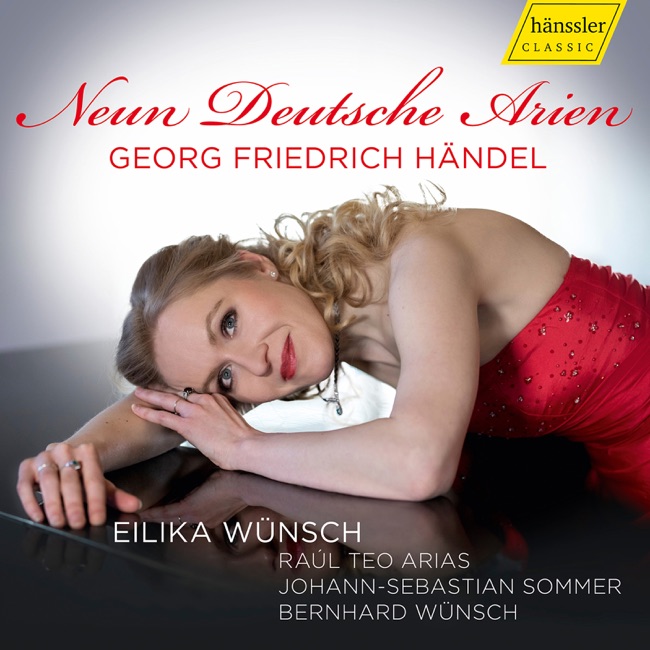
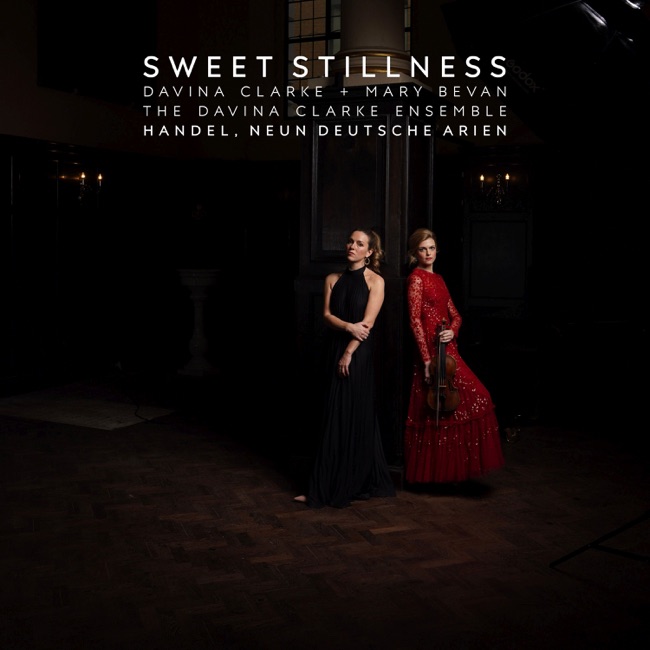
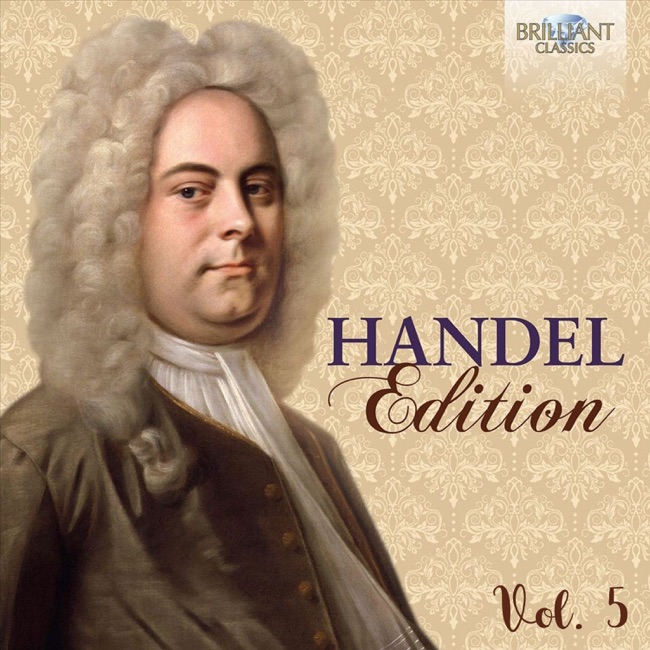

Featured Album
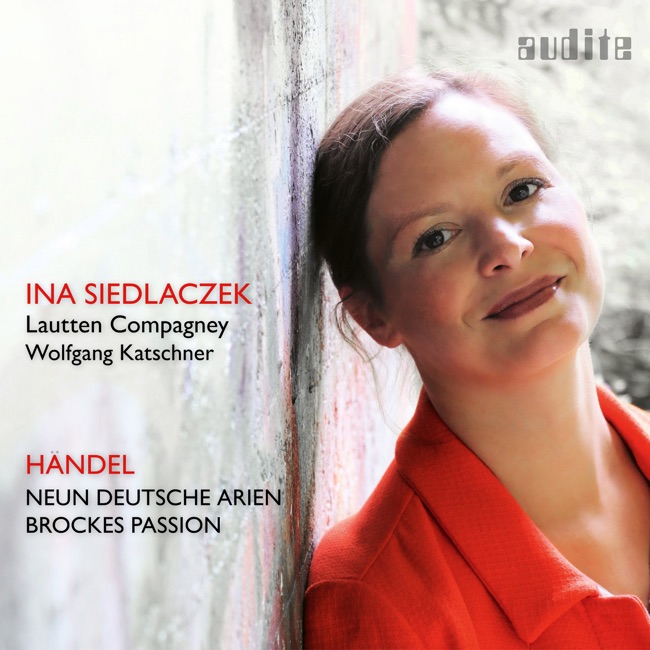
Works Info
Composer:George Frederick HandelGenre:VocalStyle:HymnCompose Date:1724 - 1726Average_duration:5:37"Künft' ger Zeiten eitler Kummer" (Future times of vain sorrow) is a secular cantata composed by George Frederick Handel in 1718. The cantata was written for the birthday of the Electress of Hanover, Sophia Charlotte, and premiered on October 30, 1718, at the Herrenhausen Palace in Hanover. The cantata consists of three movements, with a total duration of approximately 20 minutes. The first movement is an aria for soprano, "Künft' ger Zeiten eitler Kummer," which translates to "Future times of vain sorrow." The aria is characterized by its lively and joyful melody, which is accompanied by a lively string section. The lyrics of the aria express the idea that future times should not be a source of worry or anxiety, but rather a cause for celebration and joy. The second movement is a recitative for alto, "Die Welt wird wieder neu," which translates to "The world will be renewed." The recitative is accompanied by a simple harpsichord accompaniment and serves as a transition between the first and third movements. The third movement is a duet for soprano and alto, "Lass uns mit geschlungnen Händen," which translates to "Let us with clasped hands." The duet is characterized by its beautiful and intricate vocal harmonies, which are accompanied by a delicate string section. The lyrics of the duet express the idea that the present moment should be cherished and celebrated, and that the future should be approached with hope and optimism. Overall, "Künft' ger Zeiten eitler Kummer" is a beautiful and uplifting cantata that showcases Handel's mastery of vocal composition. The cantata's joyful melodies and optimistic lyrics make it a perfect piece for celebratory occasions, such as birthdays or weddings.More....
Works Music
Released Music
4
6:41
8

4:55
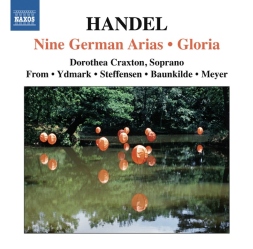
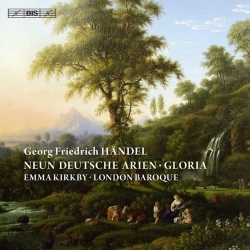
Featured Music