Antoine Busnois
Fortuna disperata
Released Album
Recent Album

Featured Album
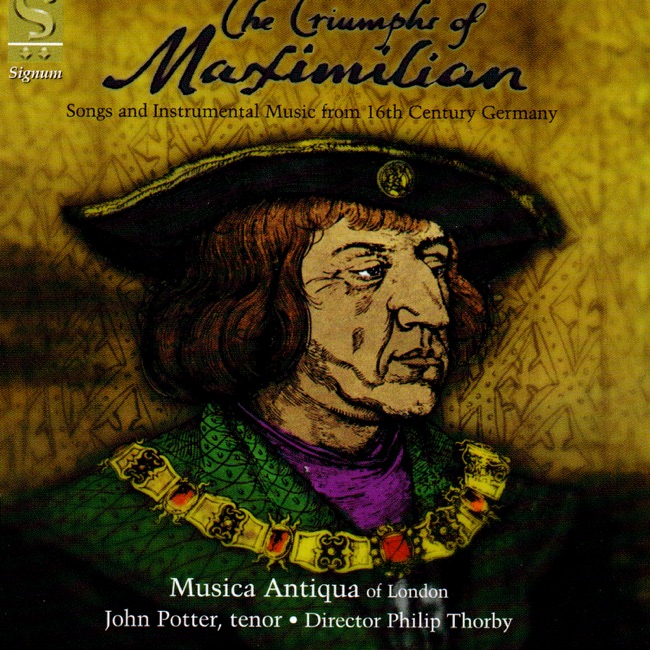
Works Info
Composer:Antoine BusnoisGenre:ChoralStyle:MotetCompose Date:ca. 1470Publication Date:1992Average_duration:3:00Antoine Busnois was a Franco-Flemish composer of the Renaissance period, born in 1430 in the town of Busnes, France. He was a prominent figure in the Burgundian School of music, which was centered in the court of the Duke of Burgundy, Philip the Good. Busnois was known for his innovative use of harmony and his complex polyphonic textures, which were highly influential on later composers. One of Busnois' most famous works is his chanson "Fortuna disperata," which was composed in the late 1460s. The piece is a secular song, written in the Italian language, and is based on the popular tune of the same name. The chanson is in three parts, with each part having a different text and melody. The premiere of "Fortuna disperata" is not known, but it was likely performed at the court of Philip the Good in Burgundy. The piece was widely popular in its time and was performed throughout Europe. The first movement of "Fortuna disperata" is a lively and rhythmic setting of the text "Fortuna disperata, mi sta sempre innanzi" ("Desperate fortune is always before me"). The melody is based on the popular tune of the same name, which was used by many composers of the time. Busnois' setting is notable for its complex polyphonic textures and its use of syncopation. The second movement is a slower and more contemplative setting of the text "O dolorosa gioia, che mi piace" ("O painful joy, that pleases me"). The melody is more ornate and expressive than the first movement, and the harmonies are more complex. The polyphonic textures are also more intricate, with each voice weaving in and out of the others. The final movement is a lively and joyful setting of the text "O fortuna, che mi fai tanto male" ("O fortune, that does me so much harm"). The melody is based on the popular tune of the same name, but Busnois' setting is more complex and ornate. The polyphonic textures are also more intricate, with each voice weaving in and out of the others. Overall, "Fortuna disperata" is a masterpiece of Renaissance music, showcasing Busnois' innovative use of harmony and complex polyphonic textures. The piece was widely popular in its time and remains a beloved work of the Renaissance repertoire.More....