Antonio de Cabezón
Quien llamó al partir partir
Released Album
Recent Album
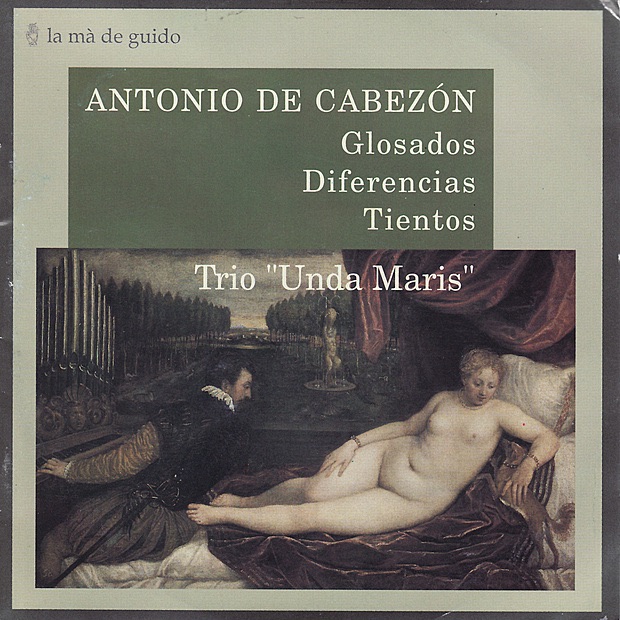
Works Info
Composer:Antonio de CabezónGenre:ChamberStyle:Chamber MusicAverage_duration:1:58"Quien llamó al partir partir" is a composition by Antonio de Cabezón, a Spanish composer and organist of the Renaissance era. The piece was composed in the 16th century and is believed to have been premiered during Cabezón's lifetime. The composition is a set of variations on a popular Spanish song of the time, which translates to "Who called to leave, leave." The piece is written for keyboard instruments, specifically the harpsichord or organ, and consists of several movements. The first movement is a simple statement of the melody, followed by a series of variations that explore different aspects of the original tune. Cabezón uses a variety of techniques to create these variations, including changes in rhythm, harmony, and texture. One of the most notable characteristics of "Quien llamó al partir partir" is its use of ornamentation. Cabezón was known for his skill in improvisation and ornamentation, and this piece showcases his abilities in this area. The variations are filled with trills, turns, and other embellishments that add color and interest to the music. Another characteristic of the piece is its use of counterpoint. Cabezón was a master of counterpoint, and he uses this technique to great effect in "Quien llamó al partir partir." The variations often feature multiple voices, each playing a different melody or rhythm, that combine to create a complex and rich texture. Overall, "Quien llamó al partir partir" is a beautiful and intricate piece of music that showcases Cabezón's skill as a composer and keyboardist. Its use of ornamentation, counterpoint, and variation make it a classic example of Renaissance keyboard music.More....